

Few debates in the pizza world generate more heat than the wood fired vs gas pizza oven question — pun intended, because both sides bring plenty. Wood partisans speak of soul, tradition, and flavor that gas can never touch. Gas advocates point to consistency, convenience, and the uncomfortable question of whether anyone can actually taste the difference. Both sides are partly right, both are partly romanticizing, and the honest answer is more interesting than either slogan — because the real differences are about your evenings, your effort, and your habits, not just the pizza on the plate.
This is that honest comparison. We will examine the flavor question with clear eyes (including what combustion science actually says about a 90-second bake), compare heat performance, tally the real effort each demands, count the true cost of ownership, and give you a verdict based on who you are rather than which camp shouts loudest. No brand worship, no fuel evangelism — just the trade-offs as they exist in real backyards on real Friday nights. By the end you will know which fuel fits your life, which is the only question that matters.
If you are also considering pellet as a third option, our outdoor pizza oven guide compares all three fuels side by side. And for the numbers behind the heat discussion, our pizza oven temperature guide has the full breakdown by style.
🍕 Key Takeaways
- Both fuels reach 450°C+ (850°F+) and both make world-class pizza — the debate is about experience and effort, not quality ceilings.
- The flavor difference is real but small: a subtle smoke background in wood-fired crusts that most tasters notice only in direct comparison.
- Gas wins decisively on convenience: 15-minute heat-ups, dial control, no ash, no fuel storage, and identical results pizza after pizza.
- Wood wins decisively on ritual: fire-building, flame management, and an experience guests remember — at the cost of real labor.
- Over years of ownership, gas usually costs less in fuel and time; wood costs more of both but delivers more theater.
- Choose by lifestyle: the oven you will fire up on a tired Tuesday beats the romantic one you only use twice a summer.
The Flavor Question, Honestly
Let us start with the claim that drives the whole debate: that wood-fired pizza tastes better. Is it true?
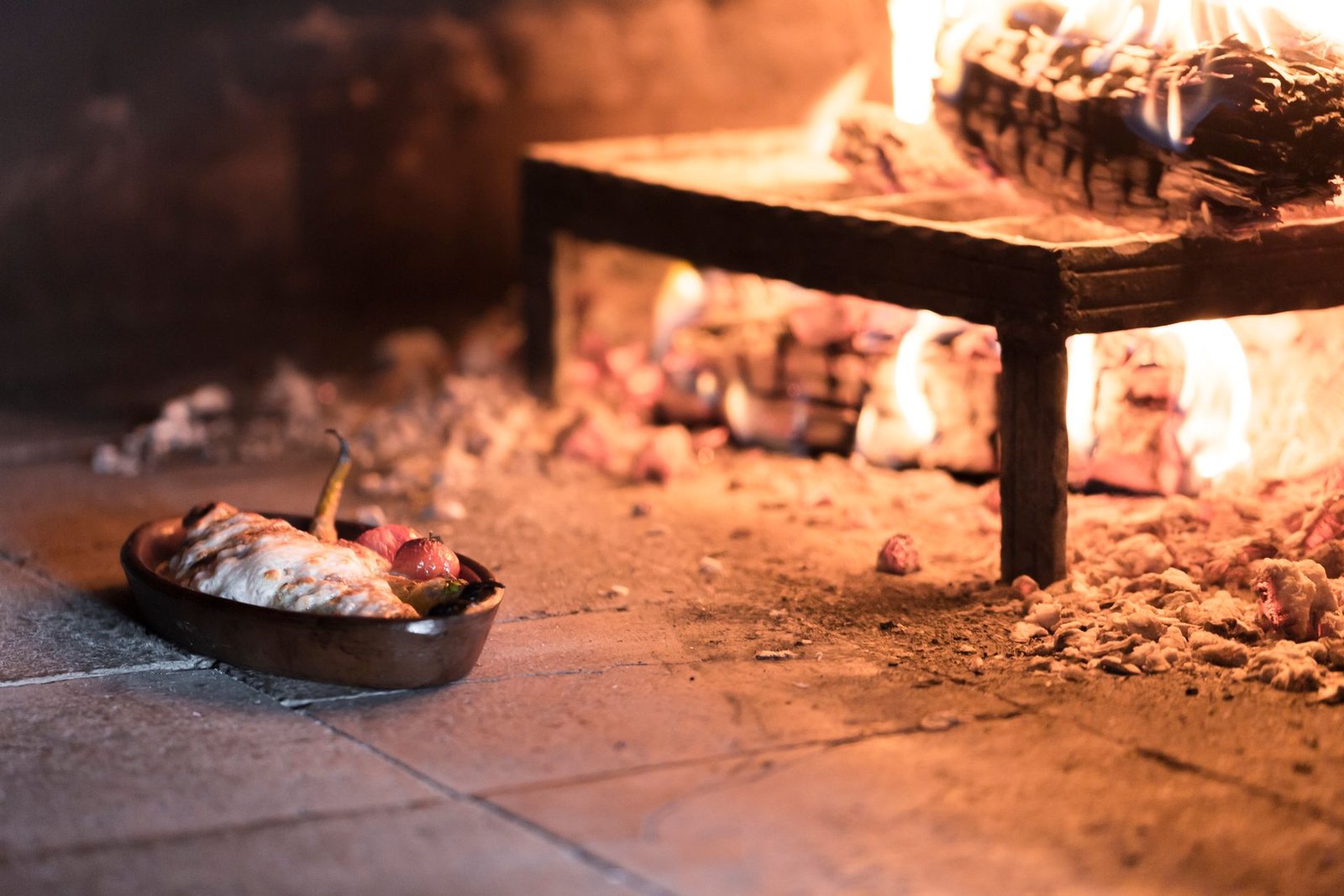
What the science says. Wood combustion produces smoke containing hundreds of aromatic compounds — phenols, guaiacol, syringol — the same family of molecules behind the flavor of smoked meats and peated whisky. In a wood-fired oven, the pizza sits inches from live flame for 60–90 seconds while smoke circulates around it. Some of those compounds do deposit on the crust. This is not mythology; it is chemistry, and sensitive tasters can detect it.
What the skeptic says. Ninety seconds is a very short smoke exposure. Compare it to barbecue, where meat bathes in smoke for hours: the dose on a pizza is tiny. Furthermore, much of what people attribute to “wood flavor” is actually the heat — the intense radiant blast of a wood fire produces char, puff, and caramelization that any 480°C heat source produces. A gas oven at the same temperature makes a pizza with the same char and puff, minus the faint smoke background.
What blind tastings suggest. In informal blind comparisons, most tasters identify a subtle difference — often described as a faint smokiness or “rustic” note in the wood-fired crust — but few call it decisive, and preferences split. Crucially, tasters consistently rate dough quality and bake execution as far more important than fuel. A perfectly fermented dough baked well on gas beats a mediocre dough baked on wood, every time, and it is not close.
The honest summary. Wood adds a real but subtle smoke note that rewards attention; it will not rescue bad dough or fix bad technique. If flavor alone drove the decision, the gap would rarely justify wood’s extra labor. People choose wood for the experience — and then the flavor becomes part of the story, which is a legitimate reason, just not a purely gustatory one.
A note on expectation effects. Food scientists have long documented that context shapes taste: a pizza you watched emerge from roaring flames, made with your own fire-building effort, genuinely tastes better to you than an identical pie from a gas oven — because pleasure is not just chemistry on the tongue, it is the whole experience. This is not self-deception; it is how eating works. Wood’s experiential advantage is real even where its chemical advantage is small, and it counts.
Heat Performance Head-to-Head
Maximum temperature
Effectively a tie. Quality ovens of both fuels reach 450–500°C (850–950°F) at the deck — more than enough for Neapolitan bakes. Either fuel can underperform if the oven is poorly insulated, but fuel type is not the limiting factor. Do not let anyone tell you gas “can’t get hot enough”; modern gas pizza ovens match wood on peak temperature.
Heat character: flame vs burner
Here the difference is real. A wood fire produces rolling flames across the dome ceiling — intense, uneven, gloriously aggressive radiant heat that cooks toppings fast and chars spots dramatically. A gas burner produces a steadier, more even heat. The practical result: wood-fired pizzas have more dramatic char variation (beautiful when managed, burnt when not), while gas pizzas brown more evenly and predictably. Neither is superior; they are different aesthetics, and your preference is a matter of taste.
Consistency and recovery
Gas wins clearly. The burner holds its output indefinitely — pizza number eight bakes like pizza number one. Wood heat fluctuates with the fire: the deck cools as pizzas draw heat out, the flame dips as logs burn down, and the cook compensates by feeding the fire and timing launches. Skilled wood-fire cooks manage this rhythm beautifully, but it is management — attention you could spend elsewhere. For feeding a crowd efficiently, gas’s consistency is a genuine advantage.
The learning curve
Gas is usable on day one. Wood demands that you learn fire-building, flame reading, coal management, and heat recovery in addition to dough, launching, and timing. Expect five to ten sessions before wood feels natural. This is not an argument against wood — many cooks find the learning deeply satisfying — but it is the honest price of admission.
Preheating compared
Gas: 15–20 minutes of waiting while you prep. Wood: 30–45 minutes of active fire management — building, feeding, watching the dome clear. The difference is not just time but attention: gas preheats while you do other things; wood preheats as the thing you are doing. On a relaxed Saturday this is pleasure; on a hectic Wednesday it is the reason the oven stays cold.
Effort and Convenience: The Real Daily Difference
Strip away romance and this is where the decision usually gets made, because effort compounds over hundreds of sessions.
A gas session: turn the dial, wait 15–20 minutes, bake, turn the dial off. Total overhead beyond the baking itself: essentially zero. Fuel is a propane tank you exchange a few times a year or a natural gas line you never think about. Cleanup is brushing the deck. This is why gas ovens get used on weeknights, in winter, when you are tired — the friction is near zero.
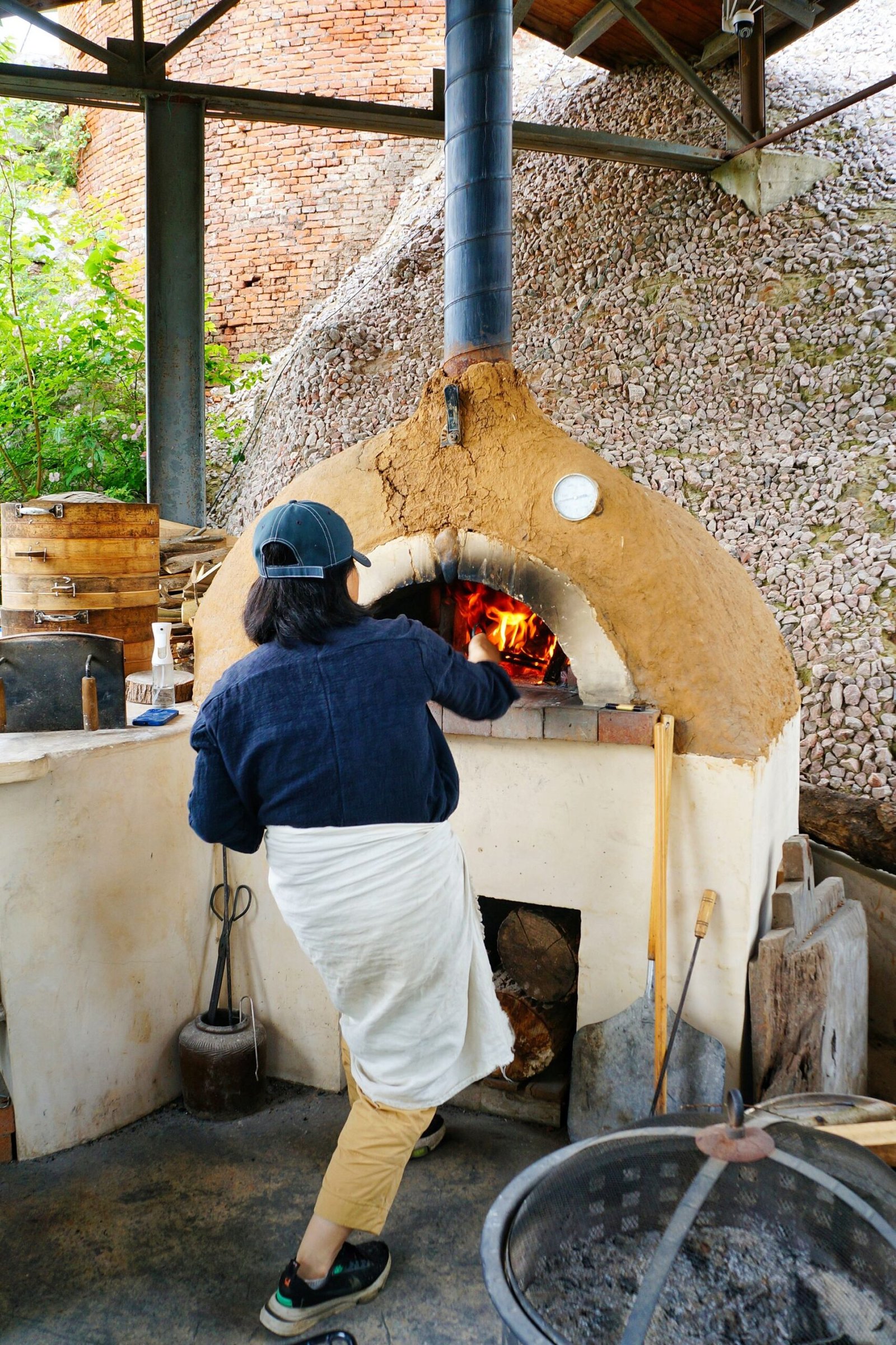
A wood session: haul and stack seasoned hardwood, build the fire, tend it for 30–45 minutes while it heats the oven, manage the flame between pizzas, and clean ash afterward. Total overhead: 45–60 minutes of active involvement plus fuel logistics (sourcing, seasoning, dry storage). This is why wood ovens shine on weekends and gatherings — occasions where the process is part of the pleasure — and sit idle on busy weeknights.
Multiply by years. A gas owner who bakes weekly makes 50 pizzas a year; a wood owner who bakes monthly makes 12. The “better” oven is the one that produces more pizza you love, and convenience is the biggest lever on that number — bigger than fuel, bigger than features. Be brutally honest about your own habits here — the romantic answer and the true answer are often different.
Cost of Ownership
Purchase price is comparable across equivalent-quality ovens of both fuels — fuel type alone does not dictate price; size, materials, and insulation do.
Fuel costs favor gas in most markets. Propane is cheap per session and price-stable; natural gas cheaper still. Seasoned hardwood varies wildly — economical where it is plentiful, a real expense where it is not — and you pay in storage space and hauling labor as well as money.
Maintenance is a wash with different profiles. Gas ovens need burner cleaning, occasional ignition service, and stone replacement eventually. Wood ovens need ash management, chimney brushing (if fitted), and the same eventual stone replacement — but have almost no parts to fail. Over a decade, total maintenance spending is similar; wood demands more of your time, gas slightly more in parts.
The hidden cost is time. An hour of fire-tending per session, times fifty sessions a year, is a part-time job. If you love it, it is a hobby; if you do not, it is a tax. Price your own time honestly when comparing.
Beyond the Bake: Rules, Community & the Long View
Regulations and neighbors
Wood smoke is the more regulated of the two. Burn bans, HOA rules, and municipal open-burning restrictions can sideline a wood oven for weeks or ban it outright in some areas — check before buying. Even where legal, heavy smoke annoys neighbors in dense housing; gas produces essentially no smoke and draws no complaints. If you share fences closely, this factor alone may decide for you.
Environmental footprint
Neither backyard oven moves the planetary needle much, but for the curious: wood is roughly carbon-neutral over its lifecycle (the tree absorbed the CO2 it releases) though it produces particulate smoke locally; propane is a fossil fuel with a modest per-session footprint. In practice, the quantities are small enough that this should not drive the decision — your car trip to buy the flour likely exceeds either.
Resale and community
Here is an underrated angle: wood-fired ovens have passionate communities — forums, local groups, endless technique threads — and hold resale value well because enthusiasts seek them out. Gas ovens are appliances; they depreciate like appliances. If you might upgrade or sell in a few years, wood’s enthusiast market is kinder. If you want the biggest community of fellow owners to learn from, wood wins on culture even as gas wins on convenience.
Versatility beyond pizza
Wood-fired ovens, with their massive thermal mass, excel at retained-heat cooking after the fire dies — roasts, bread, slow braises. Gas ovens handle roasting and searing well too but cool faster once off. If you dream of whole-day cooking sessions ending with overnight slow roasts, wood’s thermal mass is a genuine functional advantage, not just romance.
What owners say after two years
The most honest data in this debate comes from long-term owners, and their reports follow remarkably consistent patterns.
Gas owners after two years typically report high satisfaction and high usage — the oven became part of the weekly routine. Their complaints are minor: wishing for a slightly larger deck, or mild envy when eating at a wood-fired restaurant. Almost none regret the convenience. The failure mode for gas is not dissatisfaction but invisibility — it works so easily it becomes unremarkable, which is exactly what an appliance should do.
Wood owners after two years split into two camps. The enthusiasts are evangelical — the ritual deepened, their fire skills grew, and pizza nights became a cherished tradition they would not trade. The regretful minority report the same story: the oven gets used a few times each summer, the wood pile is a chore, and they wish they had bought gas. The difference between the camps was never the oven — it was whether the owner actually enjoyed tending fire, which is knowable in advance if you are honest with yourself.
The pattern: satisfaction tracks usage, and usage tracks friction. Buy the fuel whose friction profile matches your life, and two years from now you will be in the happy camp regardless of which fuel you chose.
The hybrid path: why not both (eventually)
There is no law limiting you to one oven forever. A common trajectory: start with gas, bake weekly for two years, master dough and technique — then add a wood-fired oven when the craft calls and the budget allows. The gas oven remains the weeknight workhorse; the wood oven becomes the weekend ritual. Each makes the other better: gas keeps your skills sharp between wood sessions, and wood sessions remind you why you fell in love with pizza.
This path also resolves the debate’s false binary. You do not have to declare allegiance to a fuel for life. Start where the friction is lowest, follow your enthusiasm, and let the second oven be a reward for the habit the first one built.
Wood Fired vs Gas Pizza Oven: Who Should Buy Which
Buy wood-fired if: the fire is the point for you — you enjoy process and ritual, you have dry hardwood storage and the local rules allow it, you entertain outdoors and want theater, or you aspire to master live-fire cooking as a craft. Accept the labor as the price of an experience you genuinely want, and you will never resent a single minute of tending.
Buy gas if: you want maximum great pizza with minimum friction — weeknight bakes, consistent results while you master dough and launching, no fuel logistics, no neighbor issues. The oven that gets used is the best oven, and gas gets used. There is no shame in the practical choice; there is only pizza, frequently and excellently.
The honest middle: many cooks start on gas, build their fundamentals without fire stress, and add or switch to wood later when the craft calls to them. Skills transfer completely — dough, stretching, launching, temperature reading are all fuel-agnostic. Only fire management is new, and you will learn it faster with solid fundamentals underneath.
The verdict: for most households, gas is the rational choice — it produces more great pizza per year because it gets used more. Wood is the passionate choice — less pizza per year, but each session is an event. Neither choice is wrong; the only wrong choice is buying the romantic option and resenting the work, or buying the practical option and forever wondering about the fire. Know yourself, choose accordingly, and never apologize for your fuel. The best oven is the one that fills your table with pizza you are proud of — everything else is commentary.
Whichever you choose, the supporting skills are the same — browse our ovens and equipment guides and our buying guide to complete your setup, and review pizza oven safety before your first firing.
Frequently Asked Questions
Can you really taste the difference between wood-fired and gas pizza?
Most people detect a subtle difference in direct comparison — a faint smoke background in the wood-fired crust — but few find it decisive, and dough quality matters far more than fuel. Do not choose wood for flavor alone; choose it for the experience, with the flavor as a bonus.
Is a wood-fired pizza oven worth the extra effort?
If you enjoy the process — fire-building, tending, the ritual — absolutely; the effort is the pleasure, and enthusiasts consistently say the sessions are the highlight of their week. If you view it as labor, no — gas gives you 95% of the pizza with a fraction of the friction, and you will bake more often. Worth is personal here, not technical.
Which is cheaper to run, wood or gas pizza oven?
Gas, in most markets — propane is inexpensive per session and price-stable. Wood costs vary enormously by region and include the hidden costs of sourcing, seasoning, storage, and your hauling time. Over years of regular use, gas usually wins on total cost.
Do gas pizza ovens taste like restaurant pizza?
Many restaurants use gas ovens, so yes — gas-fired pizza is restaurant pizza in countless pizzerias, from neighborhood slice shops to high-volume operations. The idea that commercial pizza is universally wood-fired is a myth; gas deck ovens built the New York slice. Your gas oven at home is closer to pizzeria reality than you might think.
Can I convert a gas pizza oven to wood or vice versa?
Generally no — the combustion systems, ventilation, and safety certifications are fuel-specific, and conversions void warranties while creating real safety risks. A few modular designs accept different burners, but treat fuel choice as permanent when buying. Choose carefully the first time.
Which fuel is better for Neapolitan pizza?
Both work. Traditional Neapolitan certification specifies wood, and the rolling flame of a wood fire is the classic heat source — our Neapolitan pizza guide covers the tradition. But gas ovens reaching the same temperatures produce Neapolitan-style pizzas that most tasters cannot distinguish from wood-fired in blind tests. Tradition favors wood; physics is fuel-agnostic.
I have never managed a fire. Should that stop me from buying wood-fired?
Not permanently, but be realistic about the learning curve. Fire-building is a genuinely learnable skill — humans have done it for millennia — but your first five to ten sessions will include frustration alongside the fun. If that prospect excites you, proceed. If it sounds like a chore, start with gas; you can always add wood later when curiosity outweighs caution.
Do wood-fired ovens need more maintenance?
Different maintenance, not more. Wood ovens need ash removal and occasional chimney brushing but have almost no parts to break. Gas ovens need burner cleaning and occasional ignition or regulator service. In the wood fired vs gas pizza oven maintenance comparison, the time and money roughly balance over a decade — wood costs more of your time, gas a bit more in replaceable parts.