

A garlic knots recipe is the smartest thing you can do with leftover pizza dough. Those extra dough balls sitting in your fridge after pizza night — too small for a full pie, too good to throw away — twist up into golden, buttery knots that taste like they came from a corner pizzeria. Crisp on the outside, pillowy inside, slicked with garlic butter and showered with Parmesan, they’re the rare leftover that might outshine the main event.
What makes garlic knots so perfect as a dough-rescue mission is that they ask almost nothing of you. The dough is already made and already risen; all you’re doing is dividing it into ropes, tying loose knots, and baking them hot and fast. Twenty minutes of active work, most of it just waiting for the oven, and you have a basket of warm bread that works as a side, a snack, or the thing everyone fights over before dinner.
This garlic knots recipe works with any leftover pizza dough — homemade, store-bought, even dough that’s been cold-fermenting for a couple of days (which actually adds flavor). Below you’ll find the full ingredient list, the knot-tying technique broken into simple steps, pro tips for maximum garlic punch, fun variations, storage guidance, and the food-safety basics. Once you’ve made them, you’ll start making extra dough on purpose.
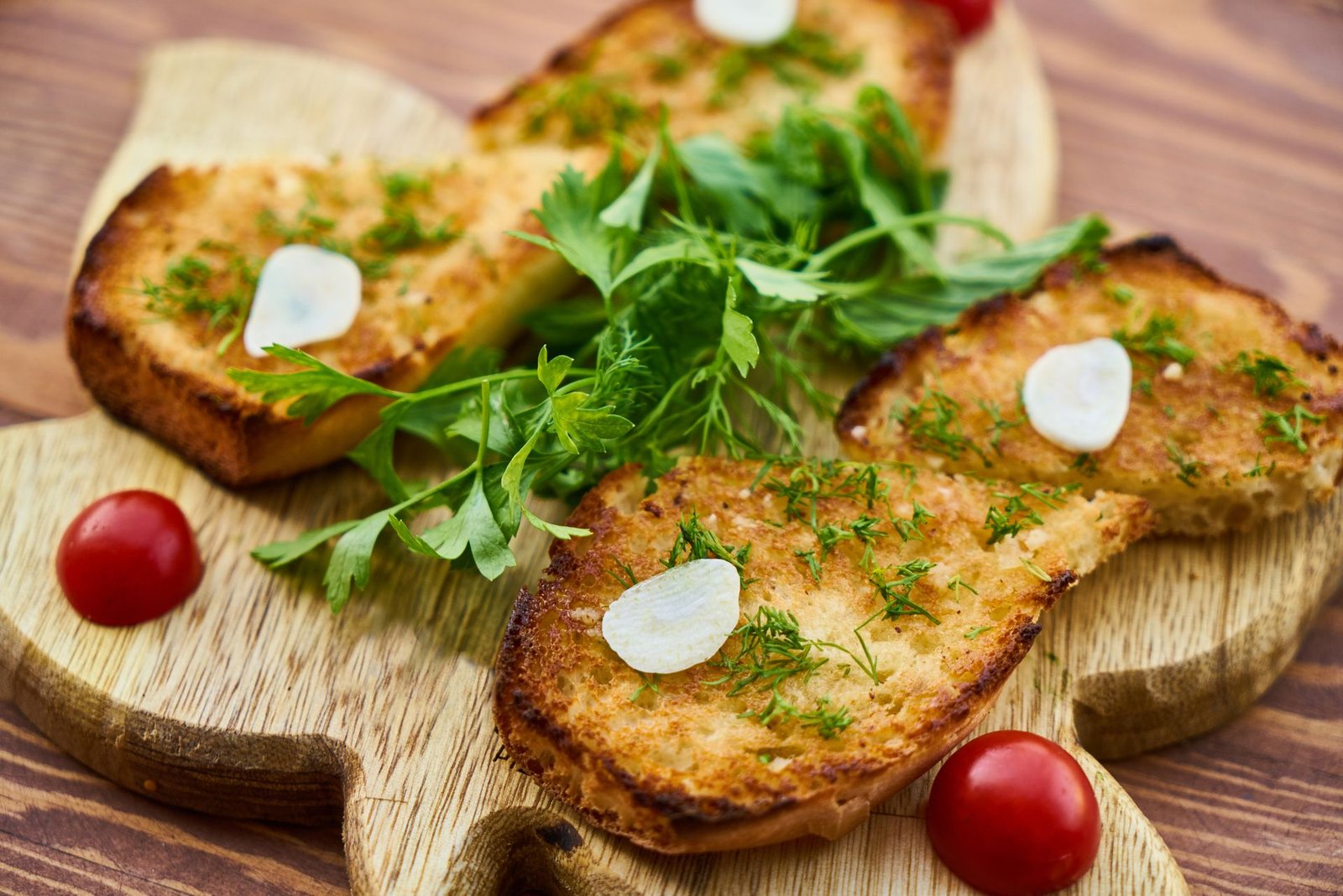
🍕 Key Takeaways
- Any risen pizza dough works — 1 pound of leftover dough makes about 12 generous knots.
- Tie loose, simple knots; tight knots spring open and dense knots bake up doughy inside.
- Apply garlic butter twice: a light brush before baking for flavor in the crust, and a generous coat after for shine and punch.
- Bake hot at 450°F for 12–15 minutes on a preheated surface for crisp bottoms.
- Use fresh garlic in the finishing butter, but keep it finely minced so it doesn’t burn.
- Store baked knots airtight for 2 days at room temperature or freeze up to 2 months; refrigerate leftover dough within 2 hours.
Ingredients
This garlic knots recipe is deliberately flexible — it assumes you have leftover dough and builds everything else from pantry staples.
You’ll need
- 1 lb (about 450 g) risen pizza dough, homemade or store-bought — the remnants of your last homemade pizza dough batch are ideal
- 2 tablespoons olive oil, for the baking sheet
- 5 tablespoons unsalted butter
- 4–5 cloves garlic, very finely minced (about 1½ tablespoons)
- ¼ cup finely grated Parmesan, plus extra for serving
- 2 tablespoons chopped fresh parsley (or 2 teaspoons dried)
- 1 teaspoon flaky sea salt, plus more to taste
- Optional: ½ teaspoon red pepper flakes for heat
Dough that’s been in the fridge for 1–3 days is actually the best candidate here. Cold fermentation develops deeper flavor, and the dough is easier to handle when it’s cool. Let it sit at room temperature for 20–30 minutes before shaping so it rolls without fighting you. If your dough is older than 4 days, give it a sniff — it should smell pleasantly yeasty and tangy, never sour or boozy. When in doubt, throw it out and make a fresh batch.
For serving (optional but recommended)
- Warm marinara sauce for dipping
- Extra melted butter with garlic on the side
A simple homemade sauce takes five minutes and no cooking — our 5-ingredient pizza sauce recipe doubles as a perfect knot dip.
Garlic Knots Recipe: Step-by-Step Instructions
Step 1 — Prep the oven and pan
Place a rack in the middle of the oven and preheat to 450°F (230°C). If you have a pizza stone or steel, leave it in — knots baked on a preheated surface get noticeably crisper bottoms. Lightly oil a large rimmed baking sheet with the olive oil, or line it with parchment and oil the parchment.
Step 2 — Divide the dough
Turn the dough out onto a lightly floured counter and pat it into a rough rectangle. Using a bench scraper or sharp knife, cut it into 12 equal pieces — first in half, then each half into thirds, then each strip in half again. Precision doesn’t matter much; roughly equal pieces bake evenly. Keep the pieces you’re not working with under a damp towel so they don’t dry out and form a skin.
Step 3 — Roll into ropes
Working with one piece at a time, roll it on the counter under your palms into a rope about 8 inches long and ¾ inch thick. Use light, even pressure and let the dough rest for a minute if it keeps springing back — that’s the gluten telling you it needs a breather. The ropes don’t need to be perfect; slight irregularities give the finished knots their rustic pizzeria look.
Step 4 — Tie the knots
Here’s the technique: lay the rope horizontally, then tie it in a single loose overhand knot, exactly like the first step of tying your shoelaces. Tuck one end under the center and the other end over the top, then nestle both ends into the knot’s middle. The key word is loose — leave the loop open about the size of a quarter. Knots tighten as they proof and bake, so a snug-looking knot now becomes a dense, doughy lump later. Place each knot on the prepared sheet with 1½ inches between them.
Step 5 — Proof briefly
Cover the shaped knots loosely with plastic wrap or a damp towel and let them rest 15–20 minutes at room temperature. They’ll puff slightly. This short proof is what gives you an airy, open crumb instead of a tight, bready chew. While they rest, melt the butter and stir in half the minced garlic — this half goes on before baking so the flavor bakes into the crust.
Step 6 — Bake and finish
Brush the knots lightly with the garlic butter (using only about a third of it). Bake 12–15 minutes, until deep golden brown on top and firm on the bottom — lift one and check. While they’re hot from the oven, brush generously with the remaining butter, then immediately shower with Parmesan, parsley, salt, and red pepper flakes if using. The residual heat melts the cheese into a savory crust and blooms the fresh garlic. Serve warm with marinara for dipping.
Pro Tips for the Best Garlic Knots
Fresh garlic, two ways
The double-butter method is the whole game. Garlic brushed on before baking mellows into the crust; garlic stirred into the finishing butter stays punchy and aromatic. Mince it very fine or grate it on a microplane — large chunks of raw garlic are harsh, and large pieces in the pre-bake butter can scorch. If you’re sensitive to raw garlic bite, sauté the finishing garlic in the butter for 60 seconds until fragrant but not browned.
Don’t skip the short proof
It’s tempting to shape and bake immediately, but those 15–20 minutes of rest transform the texture. Unproofed knots bake up tight and chewy; proofed knots are light with an open, airy interior that soaks up butter beautifully. Set a timer and use the wait to make your dipping sauce.
Salt at the end, not just in the dough
Pizza dough is seasoned for pizza, where salty cheese and sauce carry the flavor. Knots are mostly bread, so they need surface salt to taste right. Flaky sea salt applied right after the butter — while the surface is still glistening — sticks best and gives little crunchy bursts. Taste one and adjust; under-salted knots are the most common disappointment.
Keep them spaced and hot
Crowding the pan steams the knots instead of browning them. Give each knot room, and don’t open the oven door for the first 10 minutes — the initial blast of heat sets the crust. If your oven has hot spots, rotate the pan once at the 10-minute mark for even browning.
Leftover dough handling
If you’re not making knots the same day you have leftover dough, portion the dough into knot-sized pieces first, then refrigerate or freeze. Dough balls freeze beautifully for up to 3 months — thaw overnight in the fridge, then bring to room temperature for 30 minutes before rolling. Never leave raw dough at room temperature for more than 2 hours; that 2-hour rule protects you from bacterial growth in the flour and any enriched ingredients.
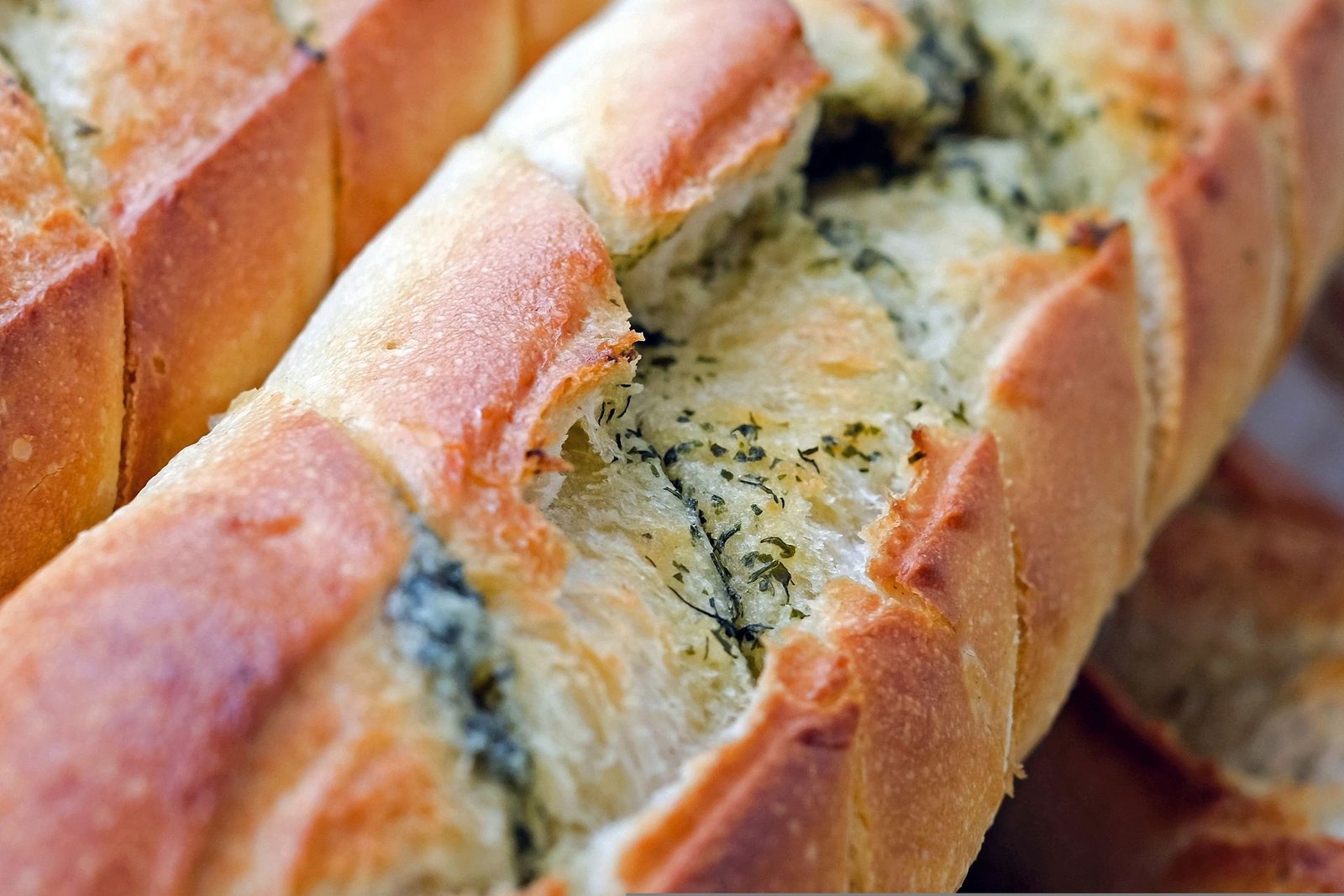
Garlic Knot Variations
Cheesy stuffed knots
Before tying each rope, flatten it slightly and lay a small cube of low-moisture mozzarella (about ½ inch) in the center, then fold the dough around it and tie the knot as usual. Pinch the seam well — the same sealing logic as a stuffed crust applies on a small scale. The result is a molten cheese center that makes these dangerously good. Our guide to the best cheese for pizza explains why low-moisture mozzarella is the right call here too.
Everything-bagel knots
Swap the Italian seasoning profile for everything-bagel seasoning: after the butter brush, sprinkle generously with a mix of sesame seeds, poppy seeds, dried garlic flakes, dried onion flakes, and flaky salt. Serve with cream cheese for dipping instead of marinara. These disappear fast at brunch.
Cinnamon-sugar dessert knots
Skip the garlic entirely. Brush the hot knots with plain melted butter, then toss in cinnamon sugar (¼ cup sugar mixed with 1 tablespoon cinnamon). Serve with a simple glaze of powdered sugar, milk, and vanilla for dipping. Kids go wild for these, and they use the exact same dough and technique — it’s a whole second recipe hiding inside this garlic knots recipe.
Pesto-Parmesan knots
After baking, toss the hot knots in 3 tablespoons of basil pesto thinned with a tablespoon of olive oil, then shower with Parmesan. The pesto clings to the craggy knot surfaces beautifully. If you have leftover pesto from making a pesto chicken pizza, this is its destiny.
Spicy Calabrian knots
Stir a tablespoon of chopped Calabrian chilies (or 2 teaspoons of their oil) into the finishing butter along with the garlic. The fruity heat is more interesting than plain red pepper flakes and pairs wonderfully with a simple margherita-style pizza night. For the main event, our classic margherita pizza recipe keeps the meal authentically Italian.
What to Serve With Garlic Knots
Garlic knots are flexible — they slide into almost any meal where bread belongs, and they anchor a few meals all by themselves.
As a pizza-night side
This is their natural habitat. A basket of warm knots next to a couple of pizzas turns Friday dinner into an event, and they give people something to eat while the second pizza bakes. They pair with every style, from a New York style pizza to a loaded veggie supreme. Put out marinara, ranch, and extra garlic butter and let people choose their own adventure.
With soup, salad, or pasta
Knots are superb dunkers. They stand up to hearty soups — tomato, minestrone, Italian wedding — without disintegrating, and they’re the ideal vehicle for sopping up the last of a pasta sauce. Next to a big chopped salad, three or four knots turn a light meal into a satisfying one. If you’re building a full Italian-American spread, browse our pizza recipes collection for mains that match.
As a party appetizer
For gatherings, make them smaller — divide the dough into 16–18 pieces instead of 12 — and serve them on a platter with two or three dips. They hold well at room temperature for a couple of hours, they don’t need utensils, and they’re sturdy enough for thick dips. If you’re planning a bigger event around pizza, our guide to hosting a pizza party covers quantities, timing, and setup so the food lands all at once.
No Leftover Dough? Make a Quick Batch
Don’t have leftover dough? You can still have knots tonight. A simplified dough comes together fast: whisk 2 cups of bread flour with 2¼ teaspoons instant yeast, 1 teaspoon sugar, and 1 teaspoon salt; stir in ¾ cup warm water and 2 tablespoons olive oil; knead 6–8 minutes until smooth. Let it rise 45–60 minutes until puffy, then proceed with the garlic knots recipe exactly as written — divide, roll, tie, proof, and bake.
This won’t have the complex flavor of a dough that’s been cold-fermenting for two days, but the garlic butter does heavy lifting, and the texture will be excellent. If weeknight speed is the priority, a same-day pizza dough scaled to this size also works — just pull off what you need for knots and use the rest for pizza. And if yeast is the obstacle (an empty pantry, a dead packet), our no-yeast pizza dough can be pressed into service for knots in a pinch; the texture is a little more biscuit-like, but brushed with garlic butter, nobody minds.
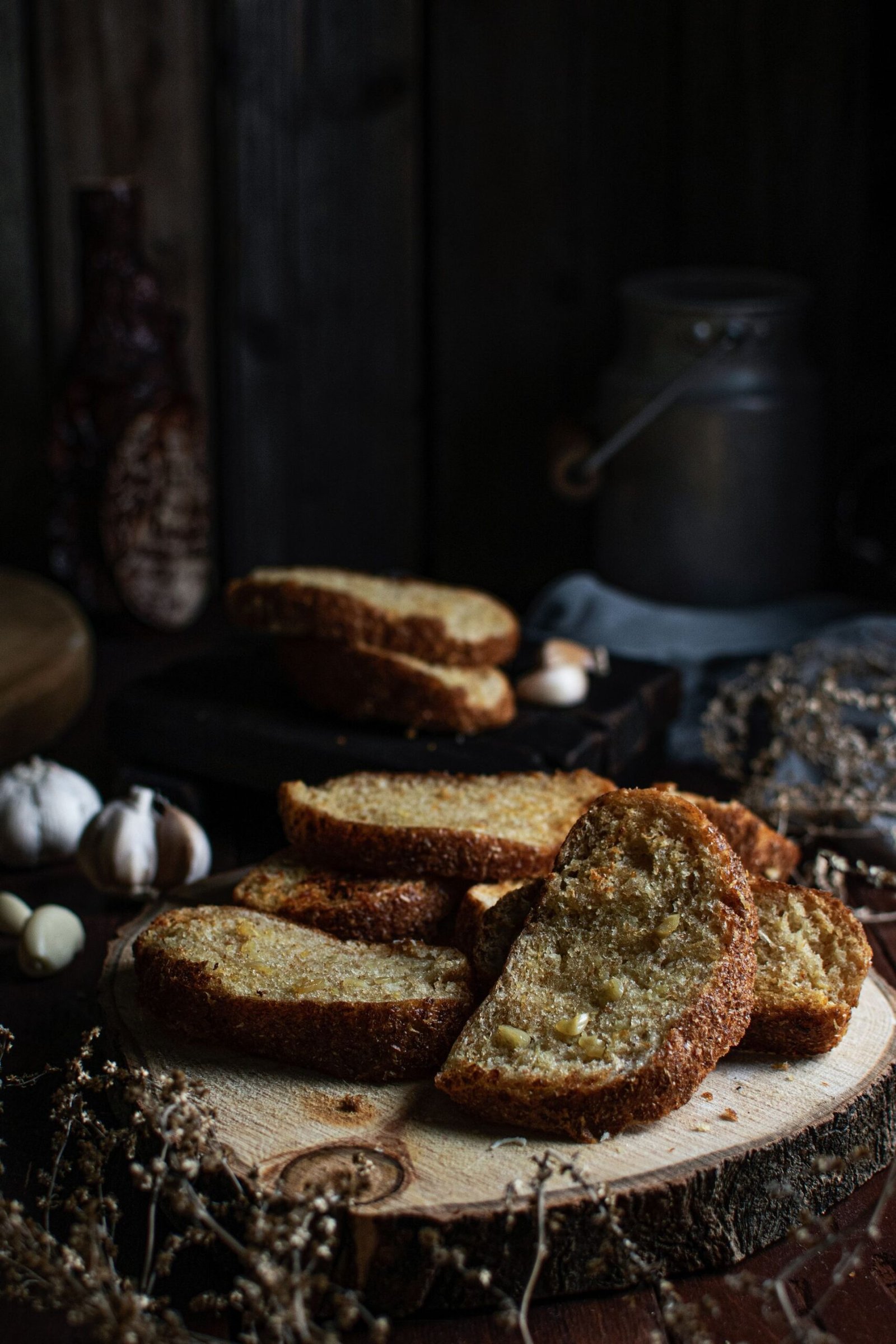
Storing and Freezing
Baked garlic knots keep at room temperature for up to 2 days in an airtight container or zip-top bag — the butter coating actually helps them stay soft. Refresh them with 5 minutes in a 350°F oven; they’ll taste nearly fresh-baked. Don’t refrigerate baked knots; the cold turns the crumb stale-tasting faster than room temperature does.
For longer storage, freeze baked and cooled knots in a single layer on a baking sheet, then transfer to a freezer bag for up to 2 months. Reheat from frozen at 375°F for 10–12 minutes, then brush with a little fresh melted butter and a pinch of salt to wake them up.
Unbaked shaped knots can also be frozen: freeze solid on the sheet pan, bag them, and bake from frozen at 425°F for 15–18 minutes (no thaw needed), then finish with the garlic butter. This is a fantastic party trick — shape a double batch on a quiet afternoon, freeze them, and bake fresh knots for guests with almost no notice.
Raw leftover dough follows the standard rules: refrigerate within 2 hours, use within 3–4 days, or freeze for up to 3 months. Label freezer bags with the date — frozen dough all looks the same after a month, and mystery dough is how freezers become archaeological sites.
Frequently Asked Questions
Can I use store-bought pizza dough for garlic knots?
Yes — this garlic knots recipe works beautifully with store-bought dough. Let it come to room temperature for 30–45 minutes before shaping so it rolls into ropes without springing back. One standard 1-pound ball makes about 12 knots. The flavor won’t have the depth of a long-fermented homemade dough, but with all that garlic butter, nobody will complain.
Why did my knots turn out dense and doughy inside?
Three usual culprits: the knots were tied too tightly, they skipped the short proof, or the oven wasn’t fully preheated. Tie loose knots with an open loop, give them the full 15–20 minute rest, and make sure the oven is genuinely at 450°F before they go in — an oven thermometer is a cheap fix if yours runs cool. Also check that you didn’t make the ropes too thick; ¾ inch is the target.
Can I make this garlic knots recipe ahead of time?
Definitely. Shape the knots, arrange them on the pan, cover tightly, and refrigerate for up to 24 hours — they’ll proof slowly overnight. Bake straight from the fridge, adding 2–3 minutes. Or freeze the shaped, unbaked knots and bake from frozen as described above. Baked knots can be made a day ahead and refreshed in the oven, though same-day is always best.
What’s the best dipping sauce for garlic knots?
Warm marinara is the classic for a reason — the acidity cuts through the rich butter. Ranch dressing is the crowd-pleaser, especially with kids. For something a little fancier, try a whipped ricotta with lemon zest, or the garlic butter itself served warm on the side for double-dipping devotees. Our no-cook homemade pizza sauce works as both pizza sauce and knot dip.
How do I keep garlic knots warm for a party?
Bake them, finish with butter and toppings, then hold them in a 200°F oven on the baking sheet for up to an hour — any hotter and they keep browning. For transport, wrap the pan tightly in foil, then in a clean kitchen towel; they’ll stay warm about 45 minutes. Bring the dipping sauces in separate containers and rewarm the marinara on the stove when you arrive. Avoid the microwave for holding — it makes the crusts leathery.
Can I make garlic knots in an air fryer?
Yes, and they come out wonderfully crisp. Arrange the proofed knots in a single layer with space between them (work in batches), air-fry at 375°F for 6–8 minutes until golden, then finish with the garlic butter, Parmesan, and parsley exactly as in this garlic knots recipe. Because air fryers run hot and small, check a minute early — the butter-brushed tops brown fast in the concentrated heat.
Can I add cheese on top before baking?
You can, but apply it in the last 3–4 minutes of baking rather than at the start. Parmesan or shredded mozzarella added at the beginning will over-brown or burn during the full 12–15 minute bake at 450°F. For the classic pizzeria look — golden knots with a savory cheese crust — the post-bake Parmesan shower in this garlic knots recipe is actually the better technique. If you want a fully cheesy top, sprinkle the cheese on at minute 10 and watch it closely.
My garlic burned and tastes bitter. What went wrong?
Minced garlic burns fast, especially the pieces in the pre-bake butter at 450°F. Keep the pre-bake garlic layer thin and the pieces very fine, and make sure most of the raw garlic goes into the finishing butter applied after baking. If your garlic routinely burns, sauté it in the butter for a minute before brushing — you’ll get mellow garlic flavor with zero bitterness.