

Ask a room of pizza makers whether a pizza dough stand mixer or your own two hands makes better dough, and you’ll start an argument that outlasts the pizza itself. Mixer devotees swear by consistency and power; hand-kneading loyalists talk about feel, connection, and the superior texture they insist only hands can produce. As with most kitchen debates, the honest answer is less dramatic than either camp admits — but the differences are real, and which method suits you depends on your dough, your batch size, and what you enjoy about the process.
This isn’t a dough recipe. It’s a technique comparison: what actually happens to pizza dough under a dough hook versus under your palms, where each method wins and loses, and how to get excellent results from whichever you choose. Whether you own a stand mixer, are thinking about buying one for pizza, or proudly knead by hand and want to sharpen your technique, you’ll find practical, experience-based guidance here — no brand worship, no romantic nonsense, just what matters for the crust.
🍕 Key Takeaways
- Both methods can produce excellent pizza dough — technique matters far more than equipment.
- A stand mixer wins on consistency, speed, and high-hydration or large batches; it develops gluten faster and more evenly.
- Hand kneading wins on feel and control — you detect dryness, stickiness, and readiness directly, which builds baker’s intuition fast.
- Mixer dough risks over-kneading and overheating; hand dough risks under-kneading from tired arms.
- For most home pizza makers, the best approach is learning by hand first, then using a mixer for convenience once you know what “done” feels like.
- Either way, judge readiness with the windowpane test and dough temperature, not the clock.
What Kneading Actually Does to Dough
Before comparing tools, it helps to understand the job. Kneading develops gluten — the elastic protein network formed when wheat flour’s glutenin and gliadin meet water and get worked. That network is what traps the carbon dioxide from fermentation, giving dough its structure, chew, and ability to stretch thin without tearing. Under-kneaded dough tears when you stretch it and bakes up dense; over-kneaded dough becomes tight and rubbery, springing back when shaped.
Kneading also distributes ingredients evenly, hydrates every particle of flour, and — less obviously — warms the dough through friction. That warming matters: yeast is happiest around 75–80°F, and dough temperature at the end of kneading influences how fermentation proceeds. A mixer generates more friction heat than hands do, which is both an advantage (faster start to fermentation) and a hazard (overheating kills yeast activity and makes dough slack and sticky).
The goal is identical regardless of method: a smooth, elastic dough that passes the windowpane test — stretch a small piece thin enough to see light through it without tearing. How you get there is where the paths diverge.
The Case for the Pizza Dough Stand Mixer
Consistency batch after batch
A mixer’s greatest strength is repeatability. The dough hook works the dough with the same motion, speed, and force every time, which means your tenth batch develops gluten almost exactly like your first. For anyone dialing in a recipe — adjusting hydration, testing flour blends, or scaling up for a party — that consistency removes a variable. You change one thing at a time and trust the kneading stayed constant.
Power for stiff and large doughs
Low-hydration doughs (think 55–60% water) are stiff, heavy work by hand. So are big batches — a double or triple recipe for a crowd will exhaust most arms long before the gluten is developed. A stand mixer with a decent motor handles both without breaking a sweat, which matters because under-kneaded dough from tired arms is one of the most common home-pizza flaws. If you regularly make dough for six or more pizzas, a mixer isn’t a luxury; it’s the right tool.
Speed and multitasking
A typical pizza dough takes 6–8 minutes in a mixer on low-medium speed versus 10–15 minutes by hand. More valuable than the saved minutes is the freedom: while the mixer runs, you can make sauce, shred cheese, or clean up. On a busy pizza night, that parallel work is worth a lot.
Better for high-hydration doughs
Wet, sticky doughs (70%+ hydration) that produce those airy, open crumbs are miserable to knead by hand — they glue themselves to your fingers and the counter. A dough hook handles them gracefully, slapping the dough against the bowl until it comes together. If you’re chasing Neapolitan-adjacent lightness at home, a mixer genuinely makes the process more pleasant. Our cold-ferment dough guide pairs beautifully with mixer kneading for exactly this reason.
The downsides: heat, over-kneading, and cost
Mixers aren’t pure upside. The friction from a dough hook warms dough noticeably — in a warm kitchen, 8 minutes of mixing can push dough past 85°F, into the zone where fermentation races and the dough gets slack. The fix is simple (use cool water, or rest the dough mid-mix), but you have to know to do it. Over-kneading is also easier: walk away for “just a minute” and you can blow past the windowpane stage into tight, torn gluten. And of course, a good stand mixer costs real money and counter space — a genuine consideration if pizza is a monthly hobby rather than a weekly ritual.
The Case for Hand Kneading
You learn what dough should feel like
This is the argument that actually matters. Hands are sensors. When you knead by hand, you feel the exact moment a shaggy mass turns silky, you notice when it’s too dry or too wet, and you develop an instinct for “done” that no timer can teach. Bakers who learn by hand troubleshoot better forever after — when a dough misbehaves, they diagnose by touch. If you’re working through our dough troubleshooting guide, that tactile vocabulary is what turns the fixes from theory into reflex.
Gentler on the dough
Hands are less efficient than a hook, and that’s sometimes a feature. It’s genuinely hard to over-knead by hand — your arms give out before the gluten does. Hand-kneaded dough also stays cooler, fermenting more slowly and evenly, which many bakers believe produces slightly better flavor. The difference is subtle, but in side-by-side tests, hand-kneaded doughs often show a marginally more open, irregular crumb — the kind of artisanal texture that’s hard to engineer.
No equipment, no noise, no cleanup of parts
Hand kneading needs a counter, flour, and ten minutes. There’s no $300 appliance, no dough hook to scrub, no motor humming through your evening. For small batches — one or two pizzas — the setup and cleanup of a mixer can take longer than the kneading it replaces. There’s also something to be said for the pleasure of it: many pizza makers describe hand kneading as the most enjoyable part of the process, a brief tactile meditation before dinner.
The downsides: fatigue and inconsistency
The honest weaknesses are physical. Ten to fifteen minutes of kneading is real work, and tired arms quit early — under-kneaded dough is the classic hand-kneading failure. Technique matters more, too: an experienced hand-kneader’s dough and a beginner’s dough, from the same recipe, can be noticeably different. Until your hands learn the motions (the push-fold-turn rhythm), your results will vary more batch to batch than a mixer’s would.
Head-to-Head: The Honest Scorecard
| Factor | Stand Mixer | Hand Kneading |
|---|---|---|
| Consistency batch to batch | Excellent — same motion every time | Varies until your technique is solid |
| Speed | 6–8 minutes, multitask while it runs | 10–15 minutes of focused work |
| Large batches (4+ pizzas) | Effortless | Exhausting; under-kneading risk |
| High-hydration doughs | Handles sticky doughs gracefully | Frustrating; dough glues to everything |
| Learning dough feel | Poor — the hook does the sensing | Excellent — your hands learn fast |
| Over-kneading risk | Real — easy to walk away too long | Rare — arms quit first |
| Dough temperature | Runs warm from friction; watch it | Stays cool; slower, even fermentation |
| Cost & space | $200+ and counter space | Free |
| Cleanup | Hook, bowl, splash guard | A floured counter |
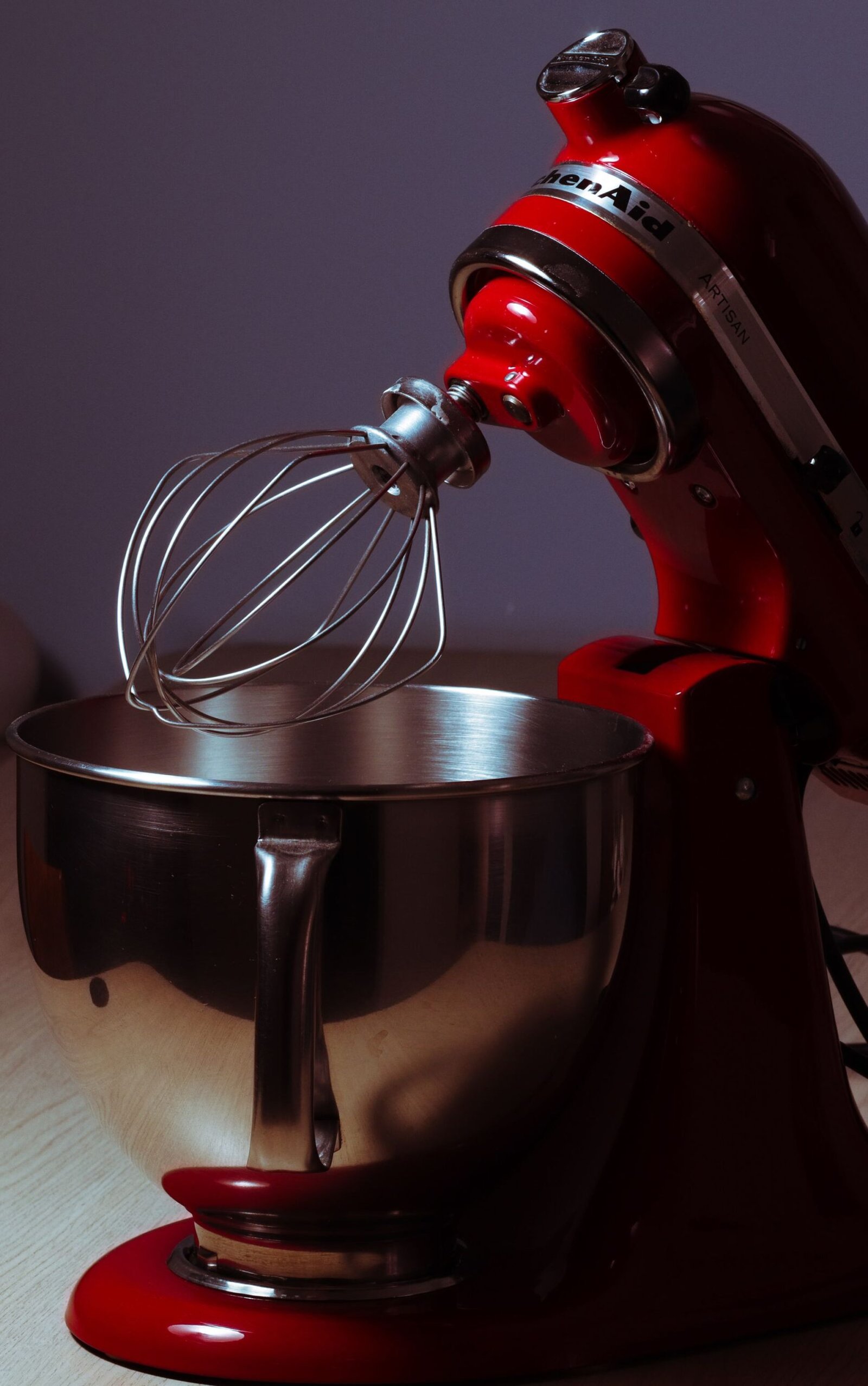
Neither column sweeps the board, which tells you everything: this is a “right tool for the situation” question, not a “right answer” question. A mixer is a consistency and capacity tool. Hands are a learning and pleasure tool. Most serious home pizza makers end up using both — mixer for the weekly workhorse batch, hands when they’re experimenting or making just one or two.
Getting Great Results with a Stand Mixer
Use the right speed and time
Speed 2 (low) on most mixers is the sweet spot for pizza dough — enough to develop gluten without flinging flour everywhere or overheating. Mix 2 minutes on stir just to combine, then 5–7 minutes on speed 2. Start checking at 5 minutes: stop the mixer, pull a small piece, and try the windowpane test. It’s done when it stretches thin without tearing, not when the timer says so. Recipes that say “knead 10 minutes in a mixer” are usually over-kneading by modern standards.
Manage dough temperature
Friction is the hidden variable. In a warm kitchen, mixer dough can easily finish above 85°F, and warm dough ferments fast and slack — great if you’re in a hurry, bad if you wanted a controlled cold ferment. Counter it by using cool (not ice-cold) water, around 65°F, and if your kitchen is hot, give the dough a 5-minute rest halfway through mixing. An instant-read thermometer poked into the finished dough tells you where you landed; aim for 75–78°F for an overnight cold ferment.
Don’t walk away
The mixer’s convenience is also its trap. Set a timer, stay nearby, and check early — gluten can go from perfect to overworked in two unattended minutes, especially with bread flour. Over-mixed dough feels tight, tears instead of stretching, and springs back aggressively when shaped. If you catch it early, a long cold rest can partially relax it; if it’s truly overworked, the kindest thing is to start over.
Scrape and incorporate
Dough hooks don’t reach everything. Once or twice during mixing, stop and scrape down the bowl sides and the floury bits at the bottom with a spatula. This is especially important in the first two minutes — unincorporated flour at this stage becomes dry lumps later.
Getting Great Results by Hand
Learn the push-fold-turn rhythm
Flour the counter lightly, not heavily — excess flour dries the dough. Push the dough away from you with the heels of your hands, fold it back over itself, give it a quarter turn, and repeat. That’s the whole motion. Keep it rhythmic rather than forceful; you’re stretching and aligning gluten strands, not punishing the dough. Ten to twelve minutes at a steady pace develops most pizza doughs fully. If you’re new to the motion, our step-by-step dough guide describes it with the timing cues that help it click.
Use the slap-and-fold for wet doughs
For stickier, higher-hydration doughs, the classic knead fails — the dough just sticks. Instead, use the slap-and-fold: lift the dough, slap it down on the counter, fold it over, repeat. It looks violent and feels satisfying, and it develops gluten in wet dough far faster than traditional kneading. A bench scraper is your best friend here for corralling the dough between slaps. Five minutes of slap-and-fold equals ten of kneading for wet doughs.
Rest when the dough fights back
If the dough keeps springing back and refusing to stretch, it’s not being stubborn — the gluten is tense. Cover it and walk away for 10 minutes. This rest (bakers call it autolyse-adjacent, though a true autolyse is flour-and-water only) lets the gluten relax, and when you return, the dough will be noticeably more cooperative. Fighting tense dough just tears it; resting is always faster in the end.
Know when you’re done
Without a timer to trust, use the tests. The windowpane test is definitive: stretch a golf-ball-sized piece until it’s translucent. If it tears immediately, keep kneading. Also watch the dough’s behavior: finished dough is smooth, slightly tacky (not sticky), springs back slowly when poked, and holds its shape instead of slumping. When in doubt, do the poke test — a slow, partial spring-back means ready; instant snap-back means keep going; no spring-back at all means you’ve somehow overworked it (rare by hand, but possible with very long kneads).
So Which Should You Choose?
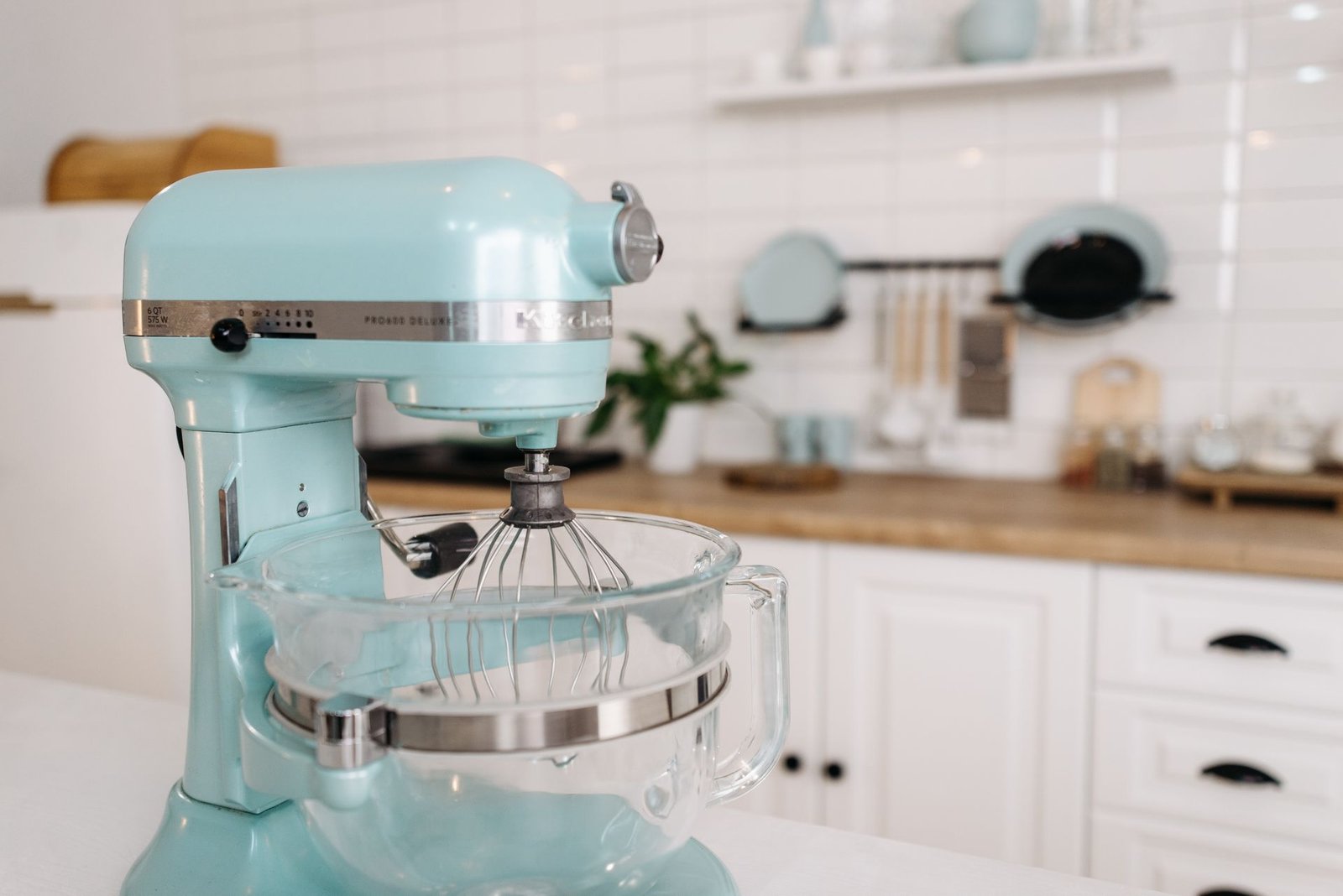
Choose the stand mixer if you make pizza weekly or more, regularly batch four-plus doughs, work with high-hydration recipes, or value multitasking during prep. It’s the practical workhorse, and there’s no shame in letting a machine do repetitive labor — professional pizzerias use spiral mixers for exactly the same reasons.
Choose hand kneading if you’re learning (the tactile education pays off in every dough you’ll ever make), usually make just one or two pizzas, enjoy the process itself, or don’t want another appliance. Some of the best home pizza being made right now is kneaded entirely by hand.
And consider the hybrid path most experienced makers land on: learn by hand for your first dozen batches until you can feel “done” blindfolded, then let the mixer handle the routine work while your hands stay calibrated enough to judge its output. The mixer doesn’t replace your judgment — it just saves your arms. If you’re deciding whether to buy one, our pizza oven buying guide covers a similar “is it worth it” calculation for the other big pizza investment, and the decision logic rhymes.
Whichever you choose, remember what actually determines crust quality: fermentation time, dough temperature, flour choice, and baking heat all matter more than the kneading method. A well-fermented hand-kneaded dough beats a rushed mixer dough every time. Get the fundamentals right — our dough and crust guides cover all of them — and either method will make pizza you’re proud of.
A quick decision guide
Still torn? Run through this: do you make dough more than twice a month, batch four or more pizzas at once, or work with sticky high-hydration recipes? Three yeses means a mixer will genuinely improve your pizza life. Mostly nos? Your hands are already the right tool — spend the money on a pizza steel or an infrared thermometer instead, upgrades that improve every bake regardless of kneading method.
Frequently Asked Questions
What should I look for in a pizza dough stand mixer?
Motor power and bowl size matter more than brand prestige. Look for at least 300 watts, a 5-quart or larger bowl, and a proper dough hook. A mixer that strains or walks across the counter on a stiff dough is underpowered for bread work. If buying used, test it with real dough at speed 2 — it shouldn’t labor. And whatever you buy, the windowpane test still applies; the mixer doesn’t judge doneness for you.
Does a stand mixer really make better pizza dough than hand kneading?
Not inherently better — more consistent. A skilled hand-kneader and a careful mixer user produce doughs that are essentially indistinguishable once baked. The mixer wins on repeatability and capacity; hands win on feel and learning. If your pizza isn’t great, the kneading method is far down the list of likely causes — check fermentation time, oven heat, and flour first.
What speed should I use for pizza dough in a stand mixer?
Low — speed 2 on most KitchenAid-style mixers. Higher speeds develop gluten faster but generate excess heat and can make the dough climb the hook or strain the motor. Mix 2 minutes on stir to combine, then 5–7 minutes on speed 2, checking with the windowpane test from minute 5 onward.
Can I over-knead pizza dough by hand?
It’s very difficult. Your arms will tire long before most doughs over-develop. What feels like over-kneading by hand is usually just tense gluten that needs a 10-minute rest. True over-kneading — tight, tearing, rubbery dough — is almost exclusively a mixer problem, and even then it takes sustained over-mixing past the windowpane stage.
Is it worth buying a stand mixer just for pizza?
If pizza is a weekly habit and you make multiple doughs at once, yes — the time savings and consistency justify it. If you make pizza monthly and usually just one or two, probably not; hand kneading is free, quieter, and teaches you more. Be honest about your actual frequency, not your aspirational frequency. The mixer won’t make you make pizza more often — though having great dough ready might.
Why does my mixer dough feel warmer than hand-kneaded dough?
Friction. The dough hook working against the bowl generates heat — typically raising dough temperature 5–10°F over hand kneading. In cool kitchens this is harmless or even helpful; in warm kitchens it can push dough into over-fermentation territory. Use cool water (around 65°F) and check the finished dough temperature with an instant-read thermometer, aiming for 75–78°F.
My dough climbs up the hook and spins without mixing. What am I doing wrong?
That’s a hydration or speed issue, not a broken mixer. Dough climbing the hook usually means it’s too dry and stiff to fold back into the bowl — add water a tablespoon at a time until it softens. If the dough is just spinning in a ball around the hook at high speed, drop to speed 2; slower mixing lets the dough fall back into the bowl and actually get worked. Very small batches (a single pizza’s worth) can also ride the hook — that’s one case where finishing by hand is genuinely easier.
Can I start dough in the mixer and finish by hand?
Absolutely — many experienced bakers do exactly this. Let the mixer do the heavy combining and initial development (4–5 minutes), then finish with a minute or two of hand kneading. You get the mixer’s efficiency plus a final tactile check, and the brief hand finish evens out anything the hook missed. It’s the best of both worlds for anyone who owns a mixer but wants to keep their hands calibrated.