

The best pepperoni for pizza is not the bag of thin, uniform slices from the supermarket deli case — though those will do in a real pinch. The pepperoni that makes pizzeria pies great is a different product: thicker-cut, made with a natural casing, with enough fat to render into the little crispy-edged cups that pool with spicy oil. It’s called cup-and-char pepperoni, and once you understand the mechanics behind the curl, you’ll never buy pepperoni the same way again.
This guide is a complete buying and technique manual. What separates great pizza pepperoni from mediocre, stick versus pre-sliced, the science of cup-and-char (casing, thickness, fat, heat), the main types you’ll encounter, specific buying guidance including what to look for on labels and where to shop, how to slice and arrange pepperoni for maximum curl, and the food-safety basics for cooking cured meats on pizza. Whether you’re topping a classic pepperoni pizza or just want to understand why some slices curl into perfect little cups while others lie flat and lifeless, this is everything you need.
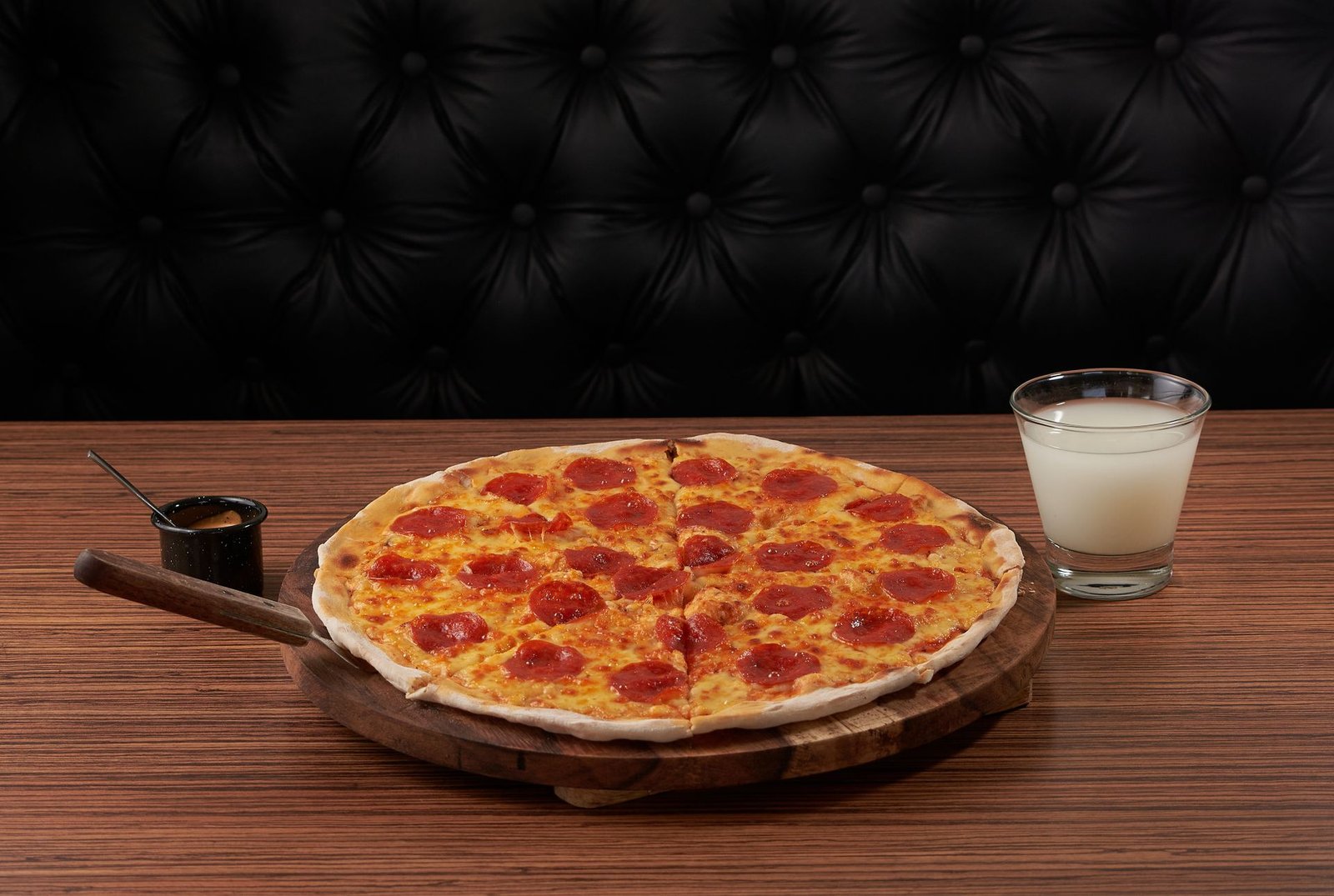
🍕 Key Takeaways
- The best pepperoni for pizza cups and chars: look for thick-cut slices with natural casing and good fat content.
- Cup-and-char happens because the casing shrinks faster than the meat when heated — thickness (~⅛ inch) and high heat drive the curl.
- Buy a natural-casing pepperoni stick and slice it yourself for the best results; pre-sliced “cup and crisp” products are the convenient alternative.
- Don’t pre-cook or microwave pepperoni before topping — it kills the curl and dries the meat out.
- Space slices apart on the pie and bake hot; crowded, overlapping pepperoni steams instead of crisping.
- Cook pepperoni-topped pizza until the meat reaches 165°F (74°C) internally — verify with a food thermometer when in doubt.
What Makes the Best Pepperoni for Pizza?
Great pizza pepperoni does three things in the oven: it curls into a cup, its edges char and crisp, and it renders flavorful fat without flooding the pie. Mediocre pepperoni does none of these — it lies flat, stays rubbery, and either dries out or greases the slice. The difference comes down to four variables: casing, thickness, fat content, and grind.
Casing. Traditional pepperoni is stuffed into a natural (collagen or animal) casing. When heated, that casing shrinks faster than the meat inside, pulling the slice’s edges upward into a cup. Pepperoni made without a casing — or with the casing removed before slicing, as most mass-market sliced products are — can’t curl because there’s nothing to do the pulling. This single factor is the biggest divider between cup-and-char pepperoni and flat pepperoni.
Thickness. Thin slices (the shaved deli-style rounds) don’t have enough structure to cup — they just crisp flat or burn. Thick slices, around ⅛ inch (3–4mm), have the heft to curl dramatically and the mass to render fat slowly. Thickness also protects against overcooking: a substantial slice chars at the edges while staying juicy in the middle.
Fat content. Pepperoni is a fatty sausage by design — typically around 30% fat — and that fat is flavor. In the oven, it renders out, basting the slice and pooling in the cup. Too lean, and the pepperoni dries into jerky; too fatty, and the pie swims. Quality pepperoni balances visible fat marbling with enough lean meat for chew. The rendered fat should be a feature (those spicy little pools are prized), not a flood.
Grind and seasoning. Coarse-ground pepperoni has a heartier chew and renders more interestingly than fine-emulsion product. Seasoning varies — paprika, cayenne, garlic, fennel seed in various combinations — and “hot” versus “mild” pepperoni is a real choice. For pizza, a medium-spiced pepperoni with visible chile flake is the versatile pick; it seasons the whole pie as its fat renders.
Stick vs. Sliced: Which Should You Buy?
The case for the stick
A whole pepperoni stick with natural casing is the connoisseur’s choice, and it’s not close. You control the thickness — cut ⅛-inch coins for maximum cup-and-char — the casing stays intact to drive the curl, and an uncut stick keeps far longer than opened sliced packages. Look for sticks labeled “natural casing” from brands like Boar’s Head, Vermont Smoke & Cure, or specialty salumerias. The stick should feel firm and dense, with a deep red color and visible fat marbling when you slice in. One stick (typically 6–8 ounces) tops many pizzas, making it economical as well as better.
The case for pre-sliced
Pre-sliced pepperoni wins on convenience — no knife work, consistent rounds, resealable package. The catch: most pre-sliced pepperoni has had its casing removed and is sliced too thin to cup. The exception is the newer wave of “cup and crisp” / “cup and char” sliced products (Hormel’s Cup N’ Crisp being the best known), which are specifically manufactured thicker and with the casing intact to curl in the oven. If you buy pre-sliced, buy those — they’re the only sliced product engineered for the job. Check the label for “natural casing” and a visibly thicker cut; if the slices are translucent-thin, they’ll lie flat no matter what the package promises.
The verdict
If you make pizza regularly, buy the stick. The five minutes of slicing pays off in dramatically better cups, better flavor, and lower cost per pie. If you make pizza occasionally or value zero-prep toppings, buy cup-and-char-style pre-sliced. Either way, avoid the generic thin deli slices for pizza — save those for sandwiches, where flat is fine. And whatever you buy, check the date: pepperoni keeps well, but fresher product cups more reliably because the casing is more elastic before it dries out with age.
Cup-and-Char Explained: The Science of the Curl
The cup-and-char phenomenon looks like magic but it’s straightforward food physics, and understanding it helps you get it right every time.
Why the casing curls
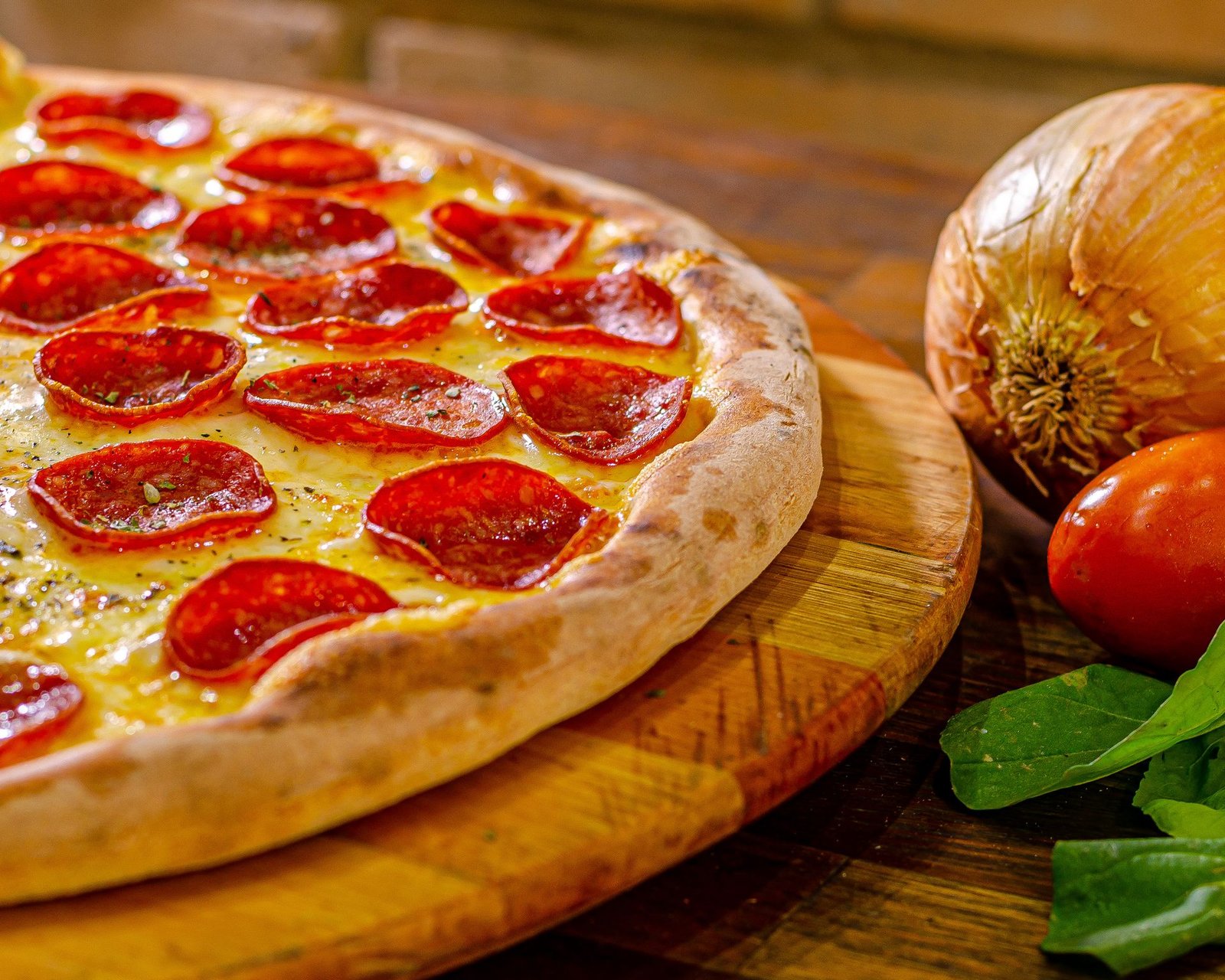
A pepperoni slice is a disc of seasoned meat wrapped in a thin casing. In the oven’s heat, proteins in both the meat and the casing contract — but the casing contracts faster and more aggressively. Because the casing forms a ring around the slice’s edge, its shrinkage pulls the rim upward while the center stays relatively flat. The result: a cup. No casing, no differential shrinkage, no cup. This is why casing-on product is non-negotiable for cup-and-char, and why manufacturers of cup-style sliced pepperoni leave the casing on.
Why thickness matters
A thin slice doesn’t have enough mass for the curl to develop before the whole thing crisps rigid — it just goes flat and crackery. A thick slice (⅛ inch is the sweet spot; up to 3/16 inch works for aggressive cups) gives the casing time to pull the edges up while the center is still pliable. Thickness also means more fat to render, and rendered fat pooling in the cup then fries the cup’s interior — that’s where the deep savory flavor and the prized crispy-chewy texture come from.
Why heat matters
Cup-and-char needs a hot oven — 475°F and up, ideally 500°F+. The curl is driven by rapid, aggressive heating; in a moderate oven, the slice heats through gently and the casing never gets the thermal shock that drives dramatic shrinkage. This is the same reason a properly heated pizza oven matters for everything else on the pie. Launch your pepperoni pizza into full heat, and watch the cups form in the first few minutes.
The char
The “char” in cup-and-char is the crisping of the cup’s rim — the thin edge, exposed to direct heat and coated in rendering fat, browns deeply and crisps. It’s the best-tasting part of the slice: concentrated seasoning, rendered fat, Maillard browning all in one bite. You’re aiming for deep mahogany edges, not black — there’s a line, and a hot oven crosses it fast, so watch the last two minutes.
The Main Types of Pepperoni You’ll Encounter
Natural-casing stick pepperoni. The gold standard for pizza. Firm, sliceable, casing intact. Brands range from supermarket staples (Boar’s Head, Margherita) to artisan producers (Ezzo, Vermont Smoke & Cure). Ezzo — the Columbus, Ohio maker — is the name you’ll hear in cup-and-char discussions; their “Ezzo Cup & Char” is essentially the reference product for the style, with a distinctive tangy-spicy profile.
Cup-and-char pre-sliced. Hormel Cup N’ Crisp and similar products: thicker-cut, casing-on slices engineered to curl. Genuinely effective and the best pre-sliced option by a wide margin. Slightly more expensive than standard sliced, worth every penny for pizza.
Standard pre-sliced. The thin deli rounds. Fine for sandwiches, underwhelming on pizza — they lie flat, can burn at the edges before the pie is done, and contribute less flavor. If this is what you have, layer them slightly overlapping (they shrink) and accept flat over cupped.
Turkey pepperoni and alternatives. Lower-fat, as the name promises — which means less rendering, less cupping, and a drier result. It won’t cup-and-char like pork-beef pepperoni because the fat that drives the process isn’t there. If you’re using it for dietary reasons, that’s a fair trade; just know what you’re trading. Plant-based pepperonis vary wildly — some crisp nicely, most don’t cup, and a few go oddly chewy in high heat. Judge by results, not claims, and consider bumping the oven temperature slightly for plant-based versions since they lack the fat that carries browning.
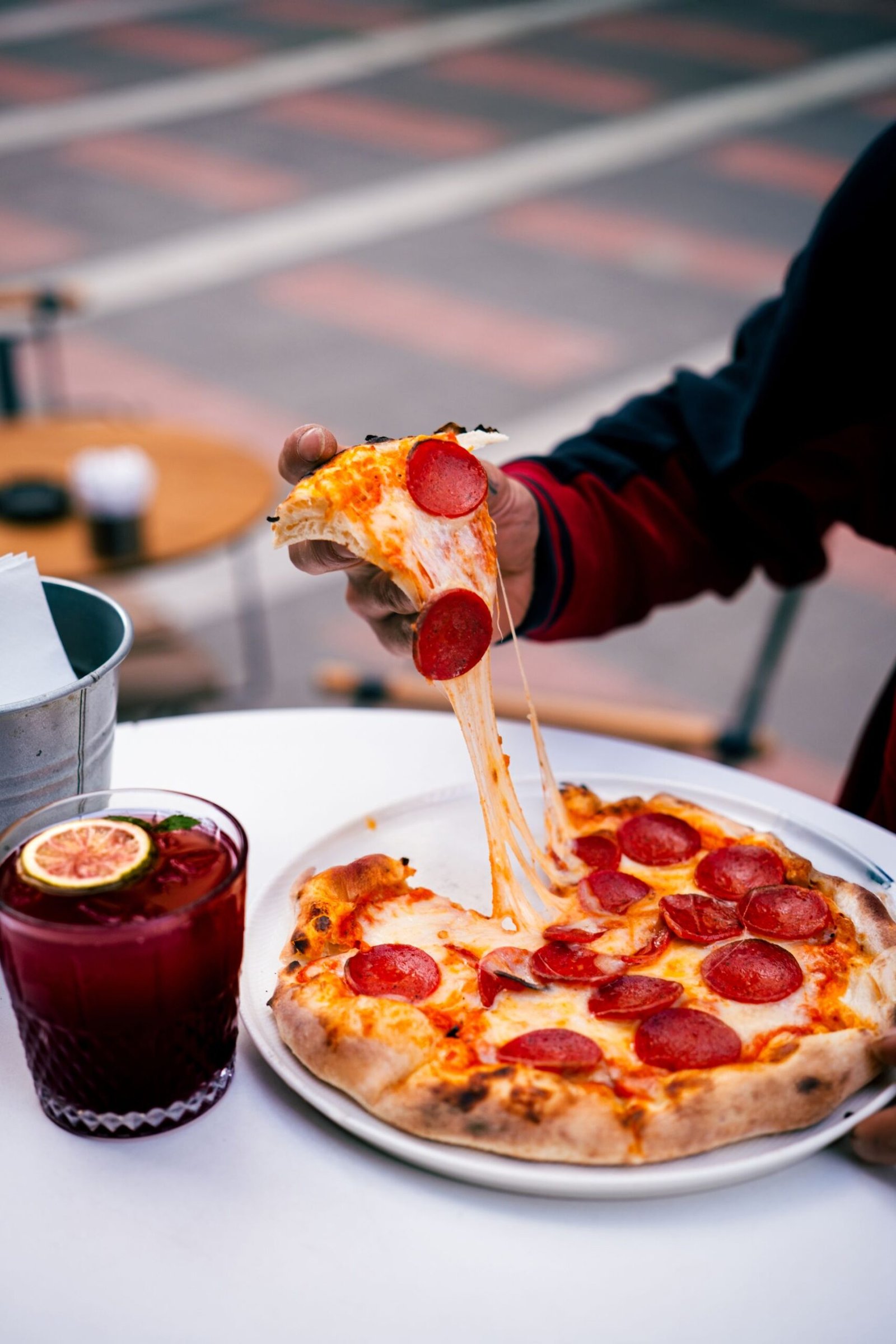
Buying the Best Pepperoni for Pizza: What to Look For
Reading the label
Check the ingredient list first: pork and beef (or pork alone) should lead, followed by salt, spices, and curing agents. Short, recognizable ingredient lists correlate with better product. “Natural casing” on the label is what you want for cup-and-char. “BHA/BHT added” or long chemical preservative lists suggest mass-market product — edible, but not the best. Smoke flavoring versus actual smoking matters less than you’d think; both can be good.
Where to shop
Supermarket deli sections carry the major brands’ sticks and cup-style sliced products — check both the deli case and the packaged meat aisle, since placement varies. Italian delis and specialty grocers are the best source for artisan sticks (Ezzo, local salumerias) and often slice sticks to order if you ask for ⅛-inch coins. Online, several specialty meat retailers ship pepperoni sticks nationwide; it’s shelf-stable until opened, so shipping is straightforward and the product arrives in perfect condition. Restaurant supply stores (open to the public in many areas) sell the large-format sticks pizzerias actually use, at the best per-ounce prices — if you make pizza weekly, this is the economical move.
How much to buy
A 12-inch pepperoni pizza wants roughly 2–3 ounces of pepperoni — about 15–20 thick-cut coins arranged with space between them. A standard 6–8 ounce stick therefore covers three to four pizzas. Buy for your actual pizza frequency: an opened stick keeps 2–3 weeks refrigerated (wrap tightly), and unopened sticks keep months. Don’t stockpile sliced product — once opened, use within a week for best texture.
Price expectations
Expect to pay more for natural-casing sticks and cup-style sliced than for standard thin slices — typically 50–100% more per ounce. It’s one of the highest-value upgrades in home pizza making: a few dollars more per pie for dramatically better pepperoni. This is not the topping to economize on. That said, you don’t need the most expensive artisan stick to get great results — a mid-range natural-casing stick from the supermarket deli, sliced thick and baked hot, will outperform a premium thin-sliced product every time. Technique first, brand second.
How to Use Pepperoni for Maximum Cup-and-Char
Slicing the stick
Chill the stick well — cold pepperoni slices cleanly; room-temperature pepperoni smears. Use a sharp chef’s knife (a good pizza cutter is for the finished pie, not for this) and cut straight ⅛-inch coins. Consistency matters: uneven slices cup unevenly, and thin ones will burn while thick ones are still rendering. If your knife skills are shaky, a mandoline with the guard on gives perfect uniformity — respect the blade.
Arranging on the pie
Space the coins apart — at least ¼ inch between slices. Crowded pepperoni steams in its collective rendered fat instead of crisping; spaced pepperoni lets hot air circulate and each cup fries in its own fat. Distribute evenly from center to edge (the edge pieces char first, so don’t overload the rim). About 15–20 coins for a 12-inch pie is the sweet spot. Press each coin lightly onto the cheese so it makes contact — floating pepperoni cups less reliably.
Oven temperature and position
Bake at your oven’s maximum, 500°F or higher, on a preheated steel or stone. The thermal shock of the hot surface plus the ambient heat drives the curl. If your oven runs cool or your pepperoni isn’t cupping, finish the last 1–2 minutes under the broiler — direct radiant heat is the casing’s worst enemy and the cup’s best friend. Watch closely; the line between charred and burnt is thin.
What not to do
Don’t microwave or pre-cook pepperoni before topping. Pre-cooking renders out the fat early (so there’s nothing left to pool in the cups), pre-shrinks the casing (so there’s no curl left to happen), and dries the meat. The whole cup-and-char performance happens in the oven, on the pie, in real time — that’s the point. Similarly, don’t bury pepperoni under cheese. Pepperoni goes on top, exposed to the heat, where it can cup, char, and baste the pie below. Under-cheese pepperoni steams into flabbiness.
Pepperoni and Food Safety
Pepperoni is a cured, ready-to-eat product — you can eat it straight from the package. On pizza, though, it needs to cook through like any other topping. The target: pepperoni on a finished pizza should reach 165°F (74°C) internally, the same standard as any meat topping. In practice, a properly baked pizza — 500°F+ oven, 6–8 minutes, cheese bubbling and browning — gets pepperoni well past this; the charred edges are far hotter. But if you’re loading a pie heavily, using a cooler oven, or adding pepperoni to a par-baked base with a short finish bake, verify with an instant-read food thermometer. It’s a two-second check that removes all doubt.
Storage rules apply too: refrigerate opened pepperoni promptly, keep it wrapped airtight, and respect the 2-hour rule — don’t leave a pepperoni-topped pizza (or an open package) sitting out all evening. Leftover pizza with meat toppings should be refrigerated within 2 hours and eaten within 3–4 days, reheated until steaming hot throughout.
Frequently Asked Questions
Why isn’t my pepperoni cupping?
The four usual causes, in order: no casing (most pre-sliced product has it removed — switch to natural-casing stick or cup-style sliced), sliced too thin (⅛ inch minimum), oven not hot enough (you need 500°F+ or a broiler finish), or slices crowded together (they steam instead of crisping). Fix the casing first — it’s the single biggest factor, and no amount of heat will curl a casing-free slice.
What’s the difference between cup-and-char and regular pepperoni?
Cup-and-char pepperoni is thicker-cut with its natural casing left on, engineered to curl into cups with crisped, charred edges in a hot oven. Regular pre-sliced pepperoni is typically thinner with the casing removed, so it lies flat. The eating difference is significant: cups hold pools of rendered spicy fat and develop crispy-chewy rims, while flat slices are milder and less textural. Same meat, different engineering, different result.
Is Ezzo pepperoni worth the hype?
For cup-and-char enthusiasts, yes — Ezzo’s cup-and-char pepperoni is the reference product for a reason, with reliable curling, good fat rendering, and a distinctive zesty-spicy flavor profile. But it’s not the only good option: Boar’s Head and Margherita natural-casing sticks cup beautifully, and Hormel’s Cup N’ Crisp sliced product is excellent for a no-prep option. Buy the best you can find locally; the technique matters as much as the brand.
Can I use pepperoni straight from the fridge?
Yes — and you should. Cold pepperoni slices more cleanly (important for even ⅛-inch coins), and going onto the pie cold actually helps the cup-and-char process: the thermal shock of cold meat hitting a 500°F oven drives more aggressive casing shrinkage. Don’t let slices come to room temperature first; slice cold, top cold, bake hot.
How do I keep pepperoni from making pizza greasy?
Three controls: buy quality pepperoni with balanced fat (not the cheapest, fattiest option), slice thick so fat renders gradually rather than flooding, and space the slices so rendered fat can crisp rather than pool across the cheese. A hot oven also helps — fast rendering means the fat fries the cup edges instead of soaking the pie. Some grease is the point (those spicy pools are prized), but a flooded pie means too much pepperoni, too thin, or too cool an oven. Our crispy crust tips cover the broader anti-soggy strategy.
Does turkey pepperoni cup and char?
Rarely, and never as dramatically. Cup-and-char is driven by fat rendering and casing shrinkage, and turkey pepperoni’s lower fat content means less of both. It will crisp and brown, which is fine, but if the cupped, fat-pooled result is what you’re after, pork-beef pepperoni is the way. No shame in the trade-off — just know what each product does.
Conclusion: Buy the Stick, Slice It Thick, Bake It Hot
The best pepperoni for pizza isn’t a secret — it’s a stick with natural casing, sliced ⅛-inch thick, spaced on the pie, and baked at maximum heat. That combination gives you the cups, the char, and the rendered spicy fat that define great pepperoni pizza, whether you’re making a classic pie, loading up a meat lover’s pizza, or finishing it with a drizzle of hot honey for the full sweet-heat experience. Start with a good stick from the deli case, keep your knife sharp and your oven hotter, and the curl will take care of itself.