

If there is one pizza every home cook should master, it is this one. A classic margherita pizza recipe is the purest expression of what pizza can be: a blistered, leopard-spotted crust, bright San Marzano tomato sauce, pools of melted mozzarella, fresh basil, and a thread of good olive oil. Only five real ingredients stand between you and something that tastes like it came out of a Naples wood-fired oven — and this guide will get you there in a regular home oven, with equipment you probably already own.
What makes a margherita different from just any cheese pizza? Restraint. The original pizza margherita was created in Naples in 1889, when pizzaiolo Raffaele Esposito reportedly baked a pie in the colors of the Italian flag — red tomato, white mozzarella, green basil — for Queen Margherita of Savoy. Whether or not every detail of that legend is true, the pizza itself earned its fame honestly. It is a minimalist masterpiece where every ingredient has to pull its weight, which is exactly why it is the best teacher a beginner pizzaiolo could ask for. Nail a margherita and you can make anything.
This recipe keeps things authentic where it matters — crushed San Marzano-style tomatoes (no cooked sauce), mozzarella handled the right way, basil added after the bake — while adapting the method for a home oven cranked to maximum with a pizza steel or stone underneath. The result: a puffy, airy cornicione, a center that is tender rather than soggy, and flavor that tastes unmistakably like the real thing.
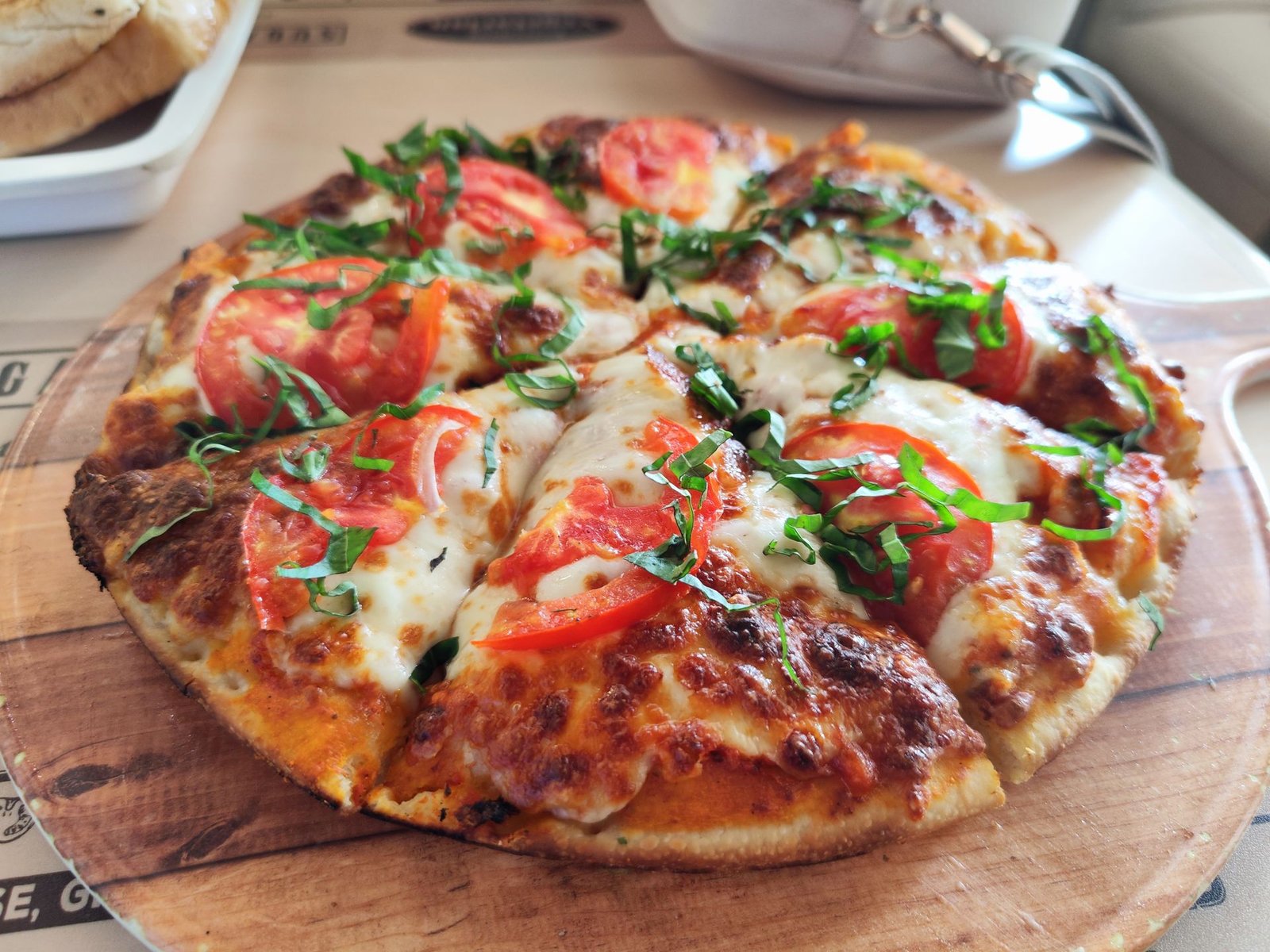
🍕 Key Takeaways
- Authentic margherita uses just five core ingredients: dough, crushed tomatoes, mozzarella, basil, and olive oil — quality matters more than quantity.
- Use crushed San Marzano-style tomatoes straight from the can with salt only; never cook margherita sauce before baking.
- Bake at your oven’s maximum temperature (500–550°F / 260–290°C) on a preheated steel or stone for a blistered, puffy crust.
- Less is more with toppings: too much sauce or cheese is the number one cause of a soggy center.
- Add fresh basil after baking, not before, so it stays bright green instead of turning black and bitter.
- Let the pizza rest 1–2 minutes before slicing so the cheese sets and slices hold together.
Why This Margherita Pizza Recipe Works
Most homemade margheritas fail for the same handful of reasons, and this recipe is engineered to avoid every one of them. First, the sauce: many recipes call for simmering tomato sauce with garlic, oregano, and olive oil. That makes a fine pasta sauce, but it is wrong for margherita. True Neapolitan-style sauce is just crushed tomatoes and salt, and it cooks on the pizza itself in the oven’s fierce heat. Cooking it twice dulls the tomato’s brightness and over-concentrates it, giving you that heavy, pasty layer found on mediocre takeout pies.
Second, the cheese question. Fresh mozzarella is traditional, but it is roughly 60% water and will flood your pizza if you treat it like the low-moisture block from the supermarket. This recipe gives you both paths: the low-moisture whole-milk mozzarella route, which is nearly foolproof, and the fresh-mozzarella route with the crucial prep steps (tearing, draining, patting dry) that make it work. If you have ever wondered about fresh vs low-moisture mozzarella, this recipe is the perfect place to taste the difference.
Third, heat and surface. Home ovens cannot reach the 900°F of a Neapolitan wood oven, but a thick steel or stone, preheated for a full hour at your oven’s highest setting, stores enough thermal energy to blast the bottom of the crust with the intense heat it needs. That single piece of equipment is the difference between a pale, floppy homemade pizza and one with a genuinely crisp underside and dramatic oven spring. Our guide to making great pizza in a regular home oven covers the full setup if you want to go deeper.
Finally, restraint. A margherita should have roughly a third of a cup of sauce and four to five ounces of cheese on a 12-inch pie. It will look sparse before it bakes. That is correct. The sauce spreads as it heats, the cheese melts outward, and what emerges is balanced — every bite has crust, tomato, cheese, and basil in harmony rather than a swamp of any one ingredient.
Ingredients for an Authentic Margherita
This recipe makes two 12-inch pizzas, which comfortably serves two to four people depending on appetite. The dough recipe here is a simple same-day dough, but if you plan ahead, a 72-hour cold-fermented dough will give you noticeably deeper flavor and a more open, airy crumb. Either way, the topping quantities below stay the same.
For the dough (makes 2 balls, ~250g each)
- 500g bread flour or “00” flour (about 4 cups spooned and leveled) — see our flour guide if you are choosing between them
- 325g lukewarm water (about 1⅓ cups), roughly 65% hydration
- 10g fine sea salt (about 2 teaspoons)
- 7g instant dry yeast (about 2¼ teaspoons, one standard packet)
- 15g extra-virgin olive oil (about 1 tablespoon), plus more for the bowl
For the sauce (enough for 2–3 pizzas)
- 1 can (28 oz / 800g) whole peeled San Marzano-style tomatoes, crushed by hand
- 1 teaspoon fine sea salt, plus more to taste
- 1 teaspoon extra-virgin olive oil (optional but lovely)
For topping each 12-inch pizza
- ⅓ cup crushed tomato sauce (about 80ml)
- 4–5 oz (115–140g) low-moisture whole-milk mozzarella, shredded by hand or torn fresh mozzarella, well drained
- 6–8 fresh basil leaves
- 1 tablespoon extra-virgin olive oil, for finishing
- Flaky sea salt, a small pinch for finishing (optional)
A note on tomatoes: tomatoes labeled San Marzano — ideally D.O.P. San Marzano dell’Agro Sarnese-Nocerino — are prized because they are naturally sweet, low in seeds, and low in acidity, which means the uncooked sauce tastes bright rather than sharp. Our San Marzano tomato guide explains what to look for on the label and worthy substitutes if you cannot find them. Whatever you buy, crush the tomatoes with your hands rather than blending them; a blender incorporates air and can turn the sauce pink and foamy, while hand-crushing gives you the ideal rustic texture with small soft chunks.
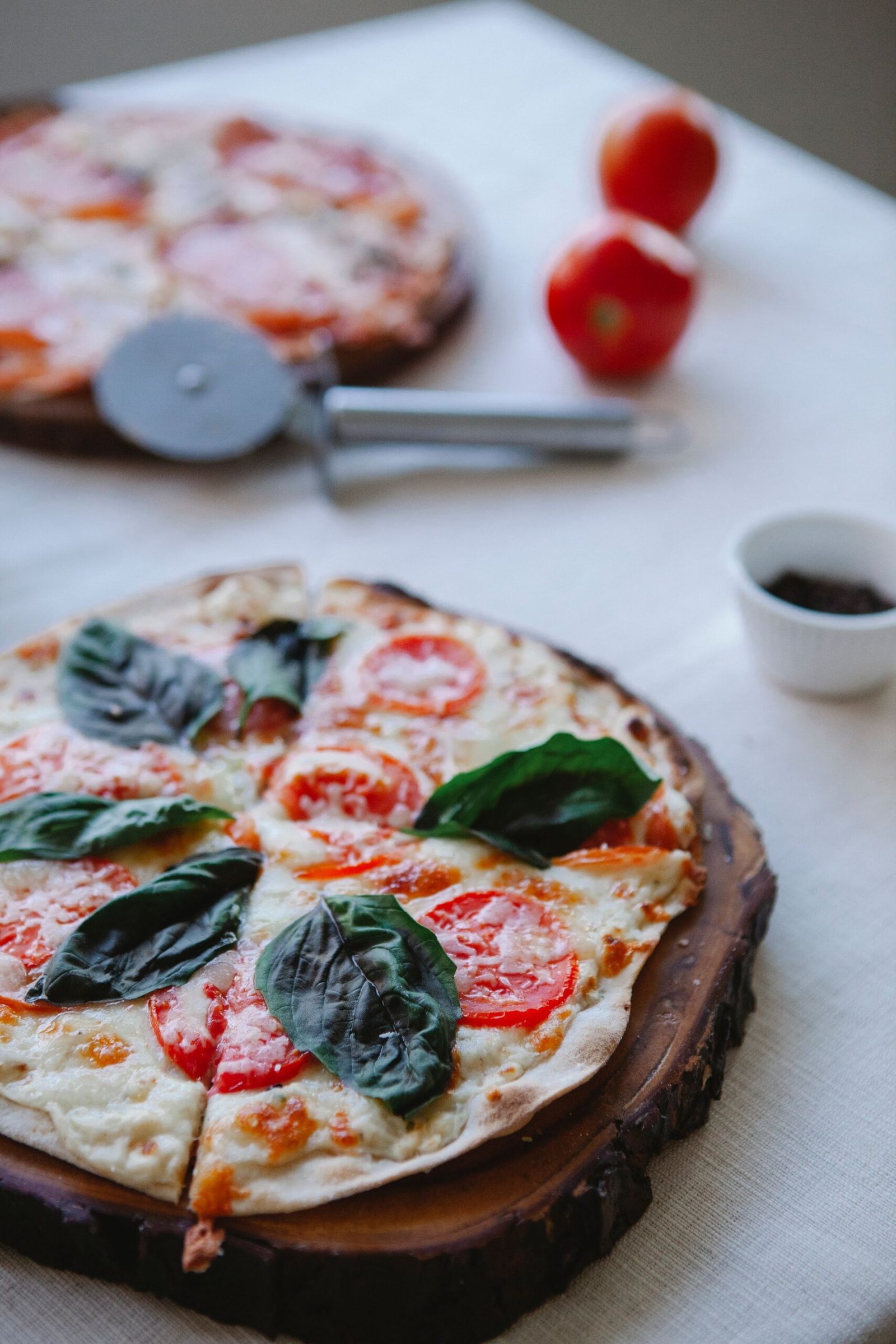
Step-by-Step Method
Step 1: Mix and knead the dough (15 minutes + rise time)
Whisk the flour and instant yeast together in a large bowl. Add the lukewarm water and olive oil and stir with a wooden spoon or your hand until a shaggy mass forms and no dry flour remains. Cover and rest for 15 minutes — this autolyse-style rest hydrates the flour and makes kneading noticeably easier.
Add the salt and knead for 8–10 minutes by hand (or 5–6 minutes in a stand mixer with a dough hook) until the dough is smooth, elastic, and slightly tacky but not sticky. It should pass a rough windowpane test: stretch a small piece thin enough that light passes through without it tearing immediately. If you are new to kneading, our step-by-step dough guide walks through the whole process with troubleshooting.
Step 2: Bulk ferment (1.5–2 hours at room temperature)
Shape the dough into a ball, place it in a lightly oiled bowl, cover, and let it rise at room temperature until roughly doubled — about 1.5 to 2 hours in a 70–75°F kitchen. Cooler kitchens take longer; that is fine. Do not rush with a hot oven; over-proofed dough tears when stretched.
Step 3: Divide, ball, and proof (30–60 minutes)
Turn the dough onto a lightly floured counter and divide it into two equal pieces (a kitchen scale helps; aim for ~250g each). Shape each into a tight ball by tucking the edges underneath, place them seam-side down on a floured tray with a few inches of space between them, cover with a damp towel or plastic wrap, and rest 30–60 minutes. The balls should look puffy and relaxed. Meanwhile, prepare your sauce and toppings.
Step 4: Make the no-cook sauce (5 minutes)
Pour the canned tomatoes into a bowl and crush them with clean hands, breaking the whole tomatoes into a coarse, spoonable crush. Stir in the salt and olive oil. Taste it: it should taste like fresh, vibrant tomato — bright, lightly salty, faintly sweet. If your tomatoes are acidic, a tiny pinch of sugar is acceptable, but good San Marzanos rarely need it. Set aside. This is also the moment to tear or shred your mozzarella; if using fresh mozzarella, tear it into chunks, spread on paper towels, and let it drain for at least 20 minutes.
Step 5: Preheat the oven (60 minutes)
Place your pizza steel or stone on a rack in the upper-middle position of the oven and preheat at the oven’s maximum temperature — typically 500–550°F (260–290°C) — for a full hour. Do not skimp on this; the stone needs to be saturated with heat. If you are still deciding on equipment, the pizza steel vs stone comparison will help you choose. Use this hour to bring your dough balls to room temperature if they were refrigerated.
Step 6: Shape the base (3 minutes per pizza)
On a lightly floured surface, gently press a dough ball from the center outward with your fingertips, leaving a 1-inch untouched rim — that rim becomes the cornicione. Flip, repeat, then drape the dough over your knuckles and rotate, letting gravity stretch it to about 12 inches. Never use a rolling pin; it crushes the air bubbles you spent hours building. If the dough springs back, let it rest 5 minutes and try again — our guide on stretching dough without tearing covers every sticking point. Transfer the stretched round to a lightly floured pizza peel, giving it a shake to confirm it slides freely.
Step 7: Top with restraint (2 minutes)
Working quickly so the dough does not stick to the peel, spread ⅓ cup of sauce in a thin, even layer, leaving the rim bare. Scatter the mozzarella evenly — sparse is correct. Remember, everything melts and spreads in the heat. Do not add the basil yet.
Step 8: Bake (6–9 minutes)
Give the peel a final shake, then launch the pizza onto the hot steel with a confident forward-and-back jerk. Bake 6–9 minutes at maximum temperature until the crust is deeply golden with charred spots, the cheese is melted with a few browned patches, and the underside is crisp and spotted. Every oven runs differently, so start checking at 5 minutes. For exact numbers across styles and fuels, see our pizza oven temperature guide.
Step 9: Finish and serve (2 minutes)
Slide the pizza onto a wire rack or cutting board — never onto a cold plate, which traps steam and softens the crust. Immediately scatter the fresh basil leaves, drizzle with the olive oil, and add a pinch of flaky salt if you like. Rest 1–2 minutes so the cheese sets, then slice and serve. Repeat with the second dough ball while the first is being devoured.
Pro Tips for a Perfect Margherita
Weigh your flour and water. Pizza dough is a ratio, and cup measurements vary wildly depending on how you scoop. A $15 kitchen scale is the single cheapest upgrade to your pizza game. The 65% hydration in this recipe hits the sweet spot: wet enough for an open crumb, dry enough to handle easily. Curious about going wetter or drier? Our hydration guide explains baker’s percentages in plain language.
Salt the sauce, then taste it. Canned tomatoes vary enormously in saltiness. The sauce should taste distinctly seasoned on its own — slightly saltier than you think — because it will be diluted by the bland dough and mild mozzarella. Bland sauce is the quiet killer of more margheritas than any other mistake.
Shred your own mozzarella. Pre-shredded cheese is coated with anti-caking starch that inhibits melting and can taste powdery. A box grater and two minutes of effort give you dramatically better melt and flavor. If you want the full rundown on cheese choices, read our guide to the best cheese for pizza.
Keep the peel dry and floured. A pizza that sticks to the peel is a small tragedy — the toppings slide off in a heap as you launch. Use a light dusting of flour or fine semolina on the peel, build the pizza quickly, and shake the peel before launching. If it sticks, lift the edge and blow a little flour underneath rather than panicking.
Basil goes on after, always. Basil blackens and turns bitter in sustained high heat. Adding it the moment the pizza comes out lets the residual heat release its aroma without destroying it. Tear large leaves by hand rather than chopping — bruised basil oxidizes faster.
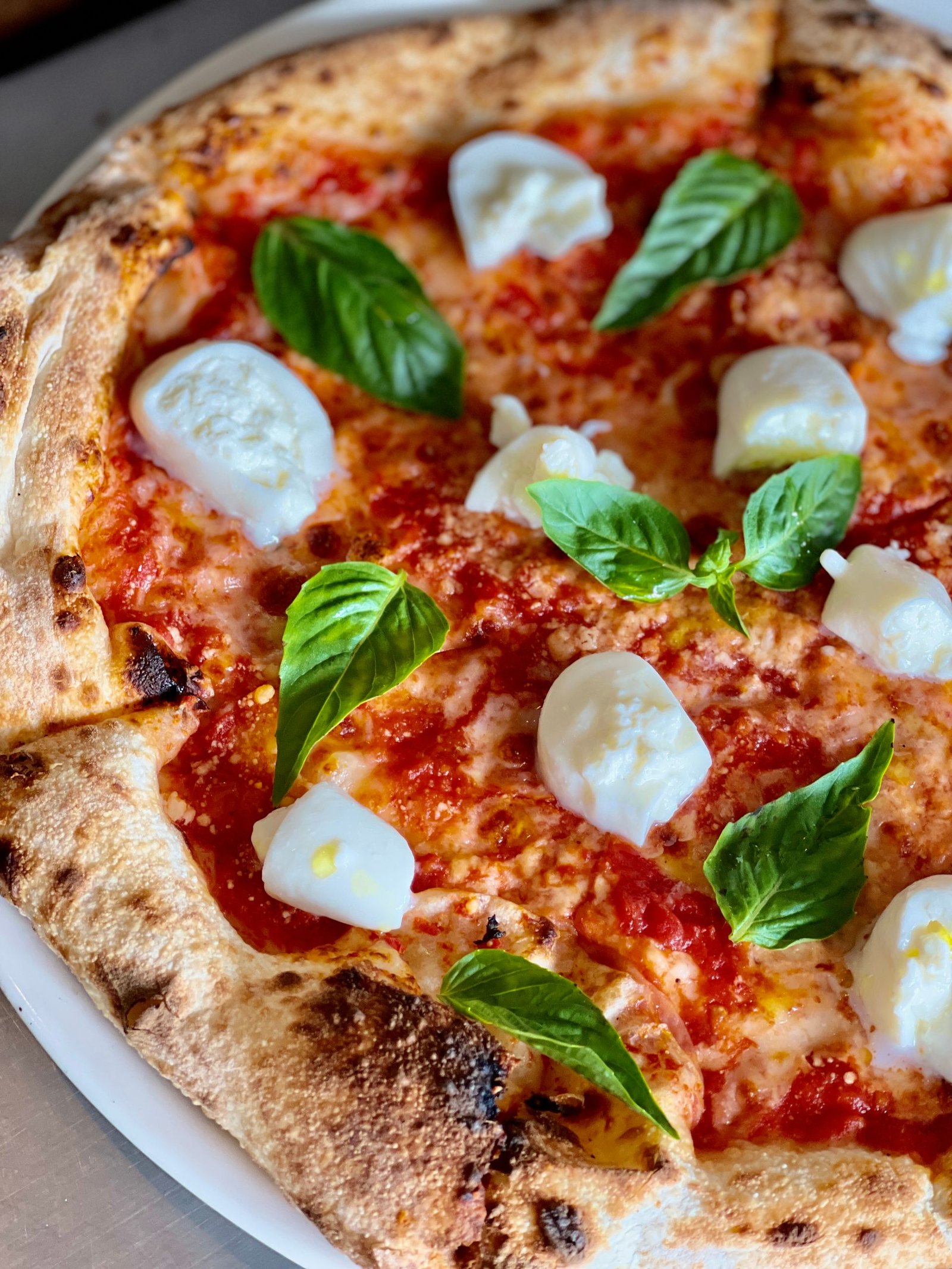
Variations Worth Trying
Margherita di bufala
Swap the cow’s-milk mozzarella for fresh mozzarella di bufala (buffalo mozzarella), drained very well and torn. It is richer, tangier, and unmistakably luxurious. Because bufala is even wetter than fior di latte, drain it for a full 30 minutes on paper towels and use slightly less sauce to compensate.
Marinara-style (dairy-free)
Skip the cheese, add a thin scattering of sliced garlic and a pinch of dried oregano to the sauce before baking, and finish with basil and olive oil. A revelation for anyone avoiding dairy.
Cherry tomato margherita
Replace the crushed sauce with halved cherry tomatoes tossed in olive oil and salt, arranged cut-side up. In summer, when tomatoes are at their peak, this version tastes like sunshine. The tomatoes release juice as they roast, so go light — a single layer with breathing room.
Pesto drizzle margherita
Bake the classic pie, then finish with thin ribbons of fresh basil pesto drizzled over the top instead of (or alongside) the whole basil leaves. It deepens the basil note and adds a garlicky richness. If that combination appeals to you, our pesto chicken pizza builds a whole pie around a pesto base.
Grilled margherita
In summer, this recipe adapts beautifully to the grill. Our grilled pizza guide covers the two-zone setup; the key difference is par-cooking the bare crust for 60–90 seconds per side before topping.
Storage, Reheating & Food Safety
Storing leftovers: Cool leftover slices to room temperature within 2 hours of baking — never leave pizza sitting out on the counter all evening. The 2-hour rule exists because bacteria multiply rapidly at room temperature. Refrigerate slices in an airtight container or wrapped tightly; they keep safely for 3–4 days. For the full details, see our leftover pizza storage and safety guide.
Reheating: The microwave turns crust rubbery. Instead, reheat slices in a dry skillet over medium heat for 2–3 minutes with a lid on for the last minute, or in a 375°F (190°C) oven on a rack for 8–10 minutes. We ranked all five methods in our guide to reheating pizza.
Freezing: Baked margherita freezes surprisingly well. Cool completely, wrap slices individually in plastic wrap, then foil, and freeze for up to 2 months. Reheat straight from frozen in a 400°F (200°C) oven for 10–12 minutes. You can also freeze the unbaked dough balls — our guide to freezing pizza dough covers thawing so they bake up perfectly.
Food safety notes: Margherita is a vegetarian pizza, so the main safety considerations are time and temperature discipline. Do not leave the pizza (or the sauce, or shredded cheese) at room temperature for more than 2 hours total, including prep and serving time. Refrigerate promptly. When reheating, make sure slices are steaming hot throughout. If your mozzarella was fresh and the package was open for several days before use, check it for sour smells or sliminess and discard if anything seems off — fresh cheese spoils faster than aged.
Frequently Asked Questions
Can I make margherita pizza without a pizza stone or steel?
Yes. Flip a heavy rimmed baking sheet upside down, preheat it with the oven for at least 30 minutes, and launch the pizza onto the hot inverted sheet. You will not get quite the same char and puff, but you will get a very respectable pizza. A steel is the best upgrade you can buy when you are ready — see pizza steel vs stone for the full comparison.
Why is my margherita soggy in the middle?
Almost always one of three causes: too much sauce, wet mozzarella that was not drained, or an under-preheated baking surface. Use ⅓ cup of sauce max per 12-inch pizza, drain fresh mozzarella thoroughly, and preheat your steel or stone for a full hour. Our guide to preventing soggy pizza covers more causes and fixes.
Can I use fresh tomatoes instead of canned for the sauce?
You can, but canned San Marzano-style tomatoes are actually better here — they are packed at peak ripeness, while most supermarket fresh tomatoes are bred for shipping, not flavor. If you have genuinely ripe summer tomatoes, blanch, peel, seed, crush, and salt them well.
How do I get those charred leopard spots on the crust?
Three things: maximum oven heat, a fully preheated steel or stone, and a little patience — let the pizza bake until the rim is deeply colored, not just pale gold. Lightly brushing the cornicione with olive oil before baking also encourages browning. Our crispy crust tips go deeper on browning science.
Can I make the dough ahead of time?
Absolutely — and you should. After balling, refrigerate the dough balls in oiled, covered containers for 24–72 hours. Cold fermentation develops complex flavor and a more open crumb. Bring the balls to room temperature for 1–2 hours before stretching. See the cold ferment dough guide for the full method.
The Bottom Line
A great margherita pizza recipe is less a recipe than a discipline: good dough, bright uncooked tomato sauce, the right amount of cheese, fierce heat, and the restraint to stop there. Master these five elements and you have not just one pizza but the foundation of every pizza you will ever make — because every technique here, from hand-stretching to launching with a peel, transfers directly to the rest of your pizza recipes. Make it this weekend. Your oven is ready, and honestly, so are you.
[…] the sauce should taste seasoned and bright on its own. Unlike the uncooked minimalist sauce on a classic margherita, pepperoni pizza welcomes the oregano and garlic; they stand up to the sausage’s bold […]