

Is pizza healthy? It’s one of the most searched food questions on the internet, and the answers range from “it’s basically poison” to “it’s a perfectly balanced meal.” The truth, as usual, lives in the middle — and it depends enormously on what kind of pizza you’re talking about, how much of it you eat, and how often. A thin, vegetable-loaded homemade pizza and a greasy triple-meat stuffed-crust delivery pie are both called “pizza,” but nutritionally they have about as much in common as a salad and a milkshake.
This guide gives you the honest, balanced answer: what’s actually in pizza from a nutritional standpoint (in general terms, not hype), where it tends to go wrong, how homemade compares to takeout and frozen, and practical ways to enjoy pizza as part of an overall balanced way of eating. No miracle claims, no fear-mongering, no invented numbers — just a clear-eyed look at one of the world’s favorite foods. And one important note up front: this is general food information, not medical or dietary advice. For personal nutrition guidance, talk to a qualified professional.
🍕 Key Takeaways
- Pizza isn’t one food nutritionally — a veggie-loaded thin pizza and a meat-stuffed delivery pie are very different meals.
- The core ingredients (flour, tomatoes, cheese, olive oil) are ordinary whole foods; it’s the quantities and processing that matter.
- Portion size and frequency matter more than any single ingredient — pizza fits fine into a balanced pattern of eating for most people.
- Homemade pizza gives you the most control over ingredients, portions, and freshness.
- Simple tweaks — more vegetables, moderate cheese, thinner crust — shift the balance without sacrificing enjoyment.
- For personal dietary advice, consult a qualified nutrition professional rather than relying on internet articles.
Is Pizza Healthy? The Honest Short Answer
Here’s the balanced truth: pizza is neither a health food nor junk food by nature. It’s a flexible food. At its core, pizza is bread topped with tomato sauce, cheese, and various toppings — a combination that can be quite reasonable or quite indulgent depending on how it’s made and how much you eat.
Think of it this way: nobody asks “is a sandwich healthy?” and expects a yes-or-no answer, because a sandwich can be anything from grilled vegetables on whole grain to a triple-decker club loaded with mayo. Pizza works exactly the same way. A pizza topped with vegetables, moderate cheese, and a simple tomato sauce on a thin crust is a fundamentally different meal from a thick-crust pie loaded with processed meats and extra cheese — even though both are “pizza.”
The other half of the honest answer is about patterns, not single meals. Nutrition professionals generally emphasize overall eating patterns over individual foods: what you eat across days and weeks matters far more than any single slice. An occasional pizza night within a generally balanced diet is a non-issue for most people. Pizza becoming a daily habit of large portions is a different story — not because pizza is uniquely bad, but because any single calorie-dense food eaten in large amounts regularly would raise the same concerns.
So: is pizza healthy? It can be part of a healthy eating pattern, especially when made thoughtfully and eaten in reasonable portions. Let’s look at why.
What’s Actually in a Slice: The Ingredients in Plain Terms
Strip away the hype and pizza is built from a short list of ordinary ingredients. Understanding each one helps you see where the nutritional picture brightens or darkens.
The crust is flour, water, yeast, salt, and usually olive oil — essentially bread. Refined white flour, which most pizza crusts use, is less fiber-rich than whole-grain alternatives, but it’s not inherently harmful; it’s the same base as most bread people eat daily. Thicker crusts and stuffed crusts simply mean more of it per slice. Whole-wheat or alternative-grain crusts add fiber and a heartier flavor — our whole wheat pizza dough guide covers the homemade version.
The sauce is usually the nutritional bright spot. Tomato sauce brings the natural qualities of cooked tomatoes, and a simple sauce of crushed tomatoes, garlic, olive oil, and herbs is about as wholesome as toppings get. Where sauce goes sideways is in heavily sweetened or overly salted commercial versions — another reason homemade pizza sauce is worth the five minutes.
The cheese is the most calorie-dense core component, but it’s also real food — milk, cultures, salt — providing protein and calcium along with saturated fat. The issue is rarely cheese itself; it’s quantity. A moderate layer of mozzarella is very different from a quadruple-cheese blend piled an inch thick. Fresh mozzarella tends to be lighter than dense processed blends, and a little good parmesan adds big flavor for a small amount.
The toppings are where pizza’s nutritional fate is largely decided. Vegetables — mushrooms, peppers, onions, spinach, tomatoes — add fiber, color, and variety with very little downside. Lean proteins like grilled chicken add substance. Processed meats (pepperoni, sausage, bacon) bring more sodium and saturated fat — delicious in moderation, heavy as the main event. This is the single biggest lever you control: the same pizza with vegetable toppings versus triple meat is a meaningfully different meal.
The oil and finishing touches matter more than people think. A drizzle of olive oil adds pleasant richness; a heavy hand with garlic butter or creamy dips adds up quietly. Small choices, real differences.
Where Pizza Tends to Go Wrong
If pizza has a nutritional dark side, it lives in four places — none of which are inherent to pizza itself:
1. Portion distortion. Restaurant and delivery pizzas have grown over the decades, and “a slice” means very different things at different places. Eating four large slices of a 16-inch pie is a lot of food by any measure — but it doesn’t feel like a lot, because pizza is easy to eat quickly and socially. Slowing down and noticing fullness is the simplest fix there is.
2. The processed-meat pile-on. Pepperoni, sausage, bacon, ham — individually fine as accents, collectively heavy when a pizza carries three or four of them. This is the most common way a reasonable pizza becomes an indulgent one.
3. Cheese overload. Extra cheese, stuffed crusts, cheese-stuffed everything — cheese is delicious, and more of it is the easiest upsell in the pizza business. Enjoy it consciously rather than by default.
4. Frequency without variety. Pizza two or three times a week as the default dinner crowds out the variety that balanced eating patterns rely on. It’s not that those pizzas are poison — it’s that dietary variety matters, and any single food dominating the menu works against it.
Notice what’s not on this list: the tomato sauce, the vegetables, the basic concept of baked dough with toppings. The problems are all matters of degree — which means they’re all fixable without giving up pizza.
Homemade vs. Takeout vs. Frozen: An Honest Comparison
Not all pizzas are created equal, and where your pizza comes from meaningfully affects what’s in it.
Homemade pizza gives you the most control — and control is the whole game. You choose the flour, the amount of cheese, the toppings, the oil, and the portion size. You can make a thin, vegetable-loaded pizza with moderate cheese that most nutrition-minded eaters would feel good about, or you can go full indulgence for a special occasion. Homemade also tends to be fresher, with fewer preservatives and less sodium than commercial equivalents, simply because you’re cooking from basic ingredients. If you want to explore the healthier end of pizza, start here — our how to make pizza dough guide is the entry point.
Takeout and delivery pizza is the least controlled option. Commercial pizzerias optimize for flavor, consistency, and cost — which generally means more cheese, more salt, and richer ingredients than you’d use at home. That’s not a criticism; it’s their business. It just means takeout pizza tends to sit at the more indulgent end of the spectrum, and portions tend to be generous. Enjoy it for what it is — a treat, a convenience, a social food — rather than an everyday staple.
Frozen pizza sits in the middle but leans indulgent. The ingredient lists are longer (preservatives and dough conditioners are common), sodium tends to be high, and cheese quality varies. That said, frozen pizza is also the easiest to upgrade: our frozen pizza upgrade guide shows how fresh toppings transform a freezer pie. Choosing frozen pizzas with shorter ingredient lists and real cheese makes a genuine difference.
The takeaway: the spectrum runs from homemade (most control) through frozen (moderate) to takeout (least control) — but any of them can fit into a balanced diet depending on portion, frequency, and what else you’re eating.
Simple Ways to Enjoy Pizza in a Balanced Way
You don’t need to overhaul pizza to make it fit comfortably into a balanced eating pattern. Small, sustainable tweaks beat dramatic overhauls that nobody sticks with:
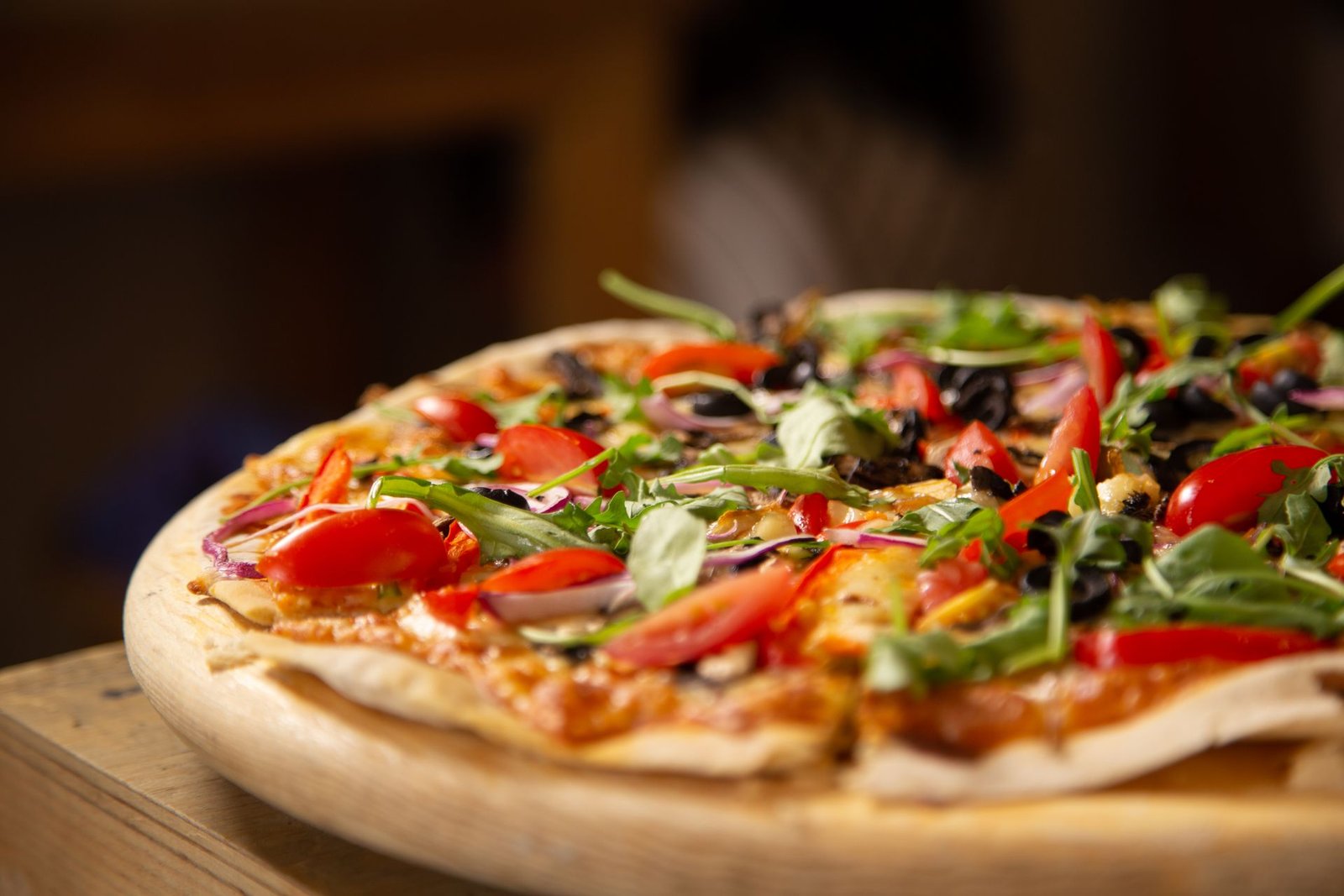
Load up the vegetables. This is the highest-impact change. Mushrooms, peppers, onions, spinach, artichokes, tomatoes — pile them on. They add flavor, texture, color, and volume, which naturally means a more satisfying slice. A vegetable-heavy pizza is simply a different (and generally lighter-feeling) meal than a meat-heavy one. Our veggie supreme pizza recipe shows how good this can taste.
Be moderate with cheese. You don’t need to eliminate cheese — pizza without cheese is a different food entirely. But there’s a wide gap between “enough mozzarella for flavor and melt” and “cheese as the main structural element.” Try using a bit less of a better cheese: fresh mozzarella or a sharp parmesan delivers more flavor per handful.
Consider the crust. Thinner crusts mean less dough per slice — a simple, effective shift if you love pizza but want a lighter meal. Whole-grain crusts add fiber and a nuttier flavor that many people prefer once they try it. And you can always enjoy the occasional thick or stuffed crust as the treat it is.
Rethink the sides. Pizza night often comes with garlic bread, wings, and creamy dips — each delicious, collectively a lot. Swapping in a big green salad as the side does more for the meal’s overall balance than any topping change. The salad’s freshness also makes the pizza taste better by contrast.
Watch the liquid calories. Soda, beer, and sugary drinks alongside pizza add up without adding fullness. Water, sparkling water, or a single glass of wine (see our pizza and wine pairing guide) keep the focus on the food.
Make it yourself sometimes. Even occasional homemade pizza nights shift your average in a fresher direction — and they’re fun. A family pizza night with a DIY topping bar naturally produces more vegetable-loaded, moderate-cheese pizzas than any delivery order.
None of these require giving anything up. They’re adjustments, not sacrifices — and the pizza still tastes like pizza.
Portions and Frequency: The Part That Matters Most
If there’s one section of this article to remember, it’s this one. Across all the debate about ingredients, the two variables that most shape pizza’s role in your diet are how much and how often.
Portions: Two slices of a thin homemade veggie pizza is a modest meal. Six slices of a thick delivery meat-lovers pizza is a feast. Both are “eating pizza” — the difference is entirely portion and preparation. Serving yourself deliberately (rather than eating straight from the box while distracted) is the simplest portion tool ever invented. Pairing pizza with salad naturally moderates portions too, because you’re filling up on variety.
Frequency: Weekly pizza night within an otherwise varied diet? For most people, completely unremarkable from a nutritional standpoint — it’s one meal among twenty-one in a week. Pizza as the default dinner most nights? That crowds out the variety that balanced eating depends on, regardless of how the pizza is made. The pattern matters more than the pie.
Context: Pizza eaten slowly, socially, and enjoyably is a different experience from pizza inhaled alone at a desk. This isn’t just poetry — eating mindfully tends to mean eating less and enjoying it more. The family pizza night tradition gets this right almost by accident: the social, participatory format naturally paces the meal.
Pizza and Different Eating Preferences
One of pizza’s underappreciated strengths is how adaptable it is to different ways of eating. A few notes for common preferences — framed generally, since individual needs vary and a professional is the right source for personal advice:
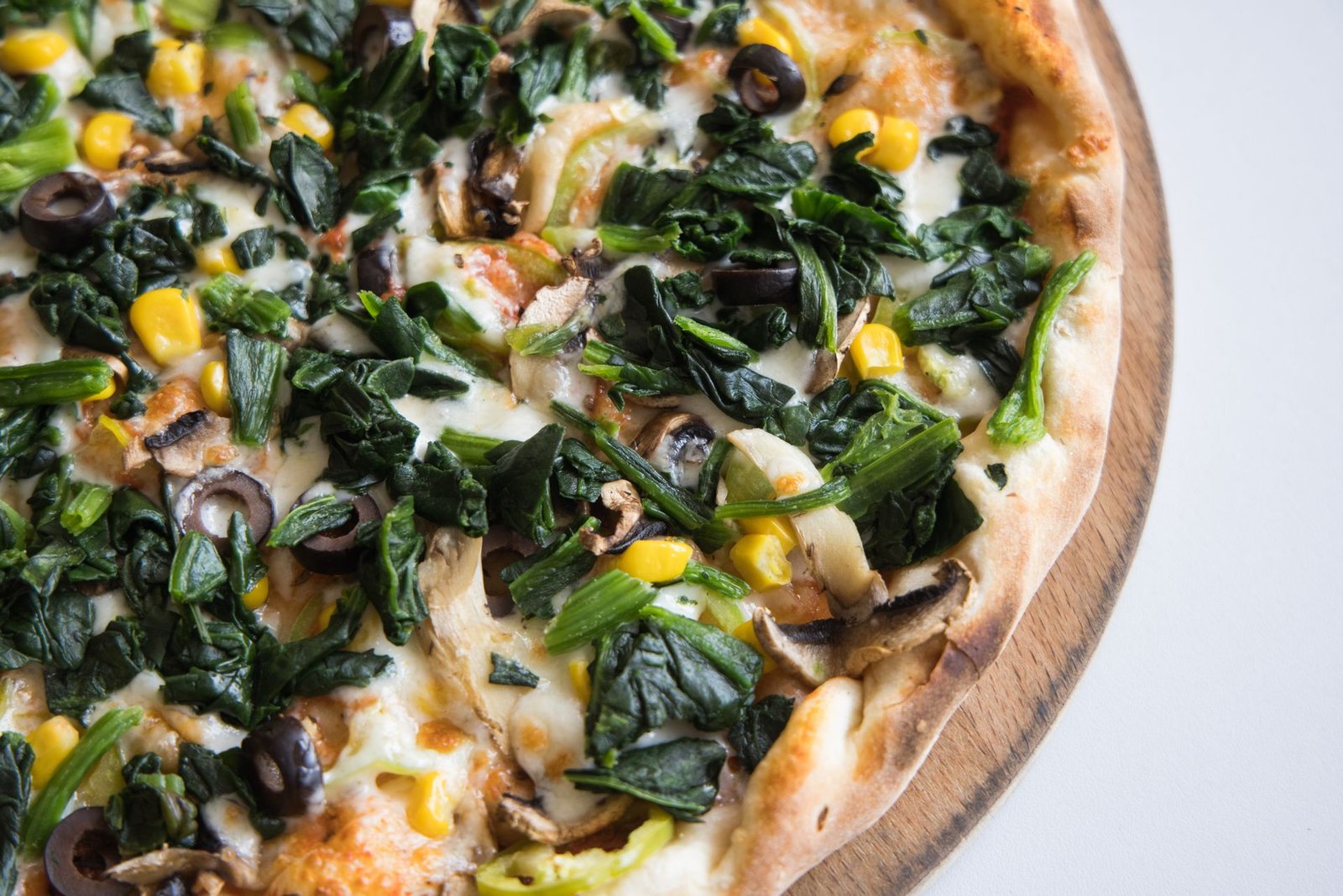
Vegetarian eaters have arguably the easiest time with pizza — some of the best pizzas in the world are vegetarian by tradition (margherita, marinara, veggie supreme). The format is naturally friendly: just build around vegetables, cheeses, and herbs.
Vegan eaters have more options than ever. Many pizzerias now offer plant-based cheeses, and vegetable-topped pizzas without cheese (like a marinara with extra vegetables) are delicious in their own right rather than a compromise. At home, the DIY format makes it effortless.
Gluten-sensitive diners should know that gluten-free pizza crusts have improved dramatically — the best ones are genuinely good, not just tolerable. When ordering, ask about preparation practices if cross-contact is a concern for you, since shared ovens and surfaces are the norm in pizzerias.
Lactose considerations vary by individual, but it’s worth knowing that aged cheeses like parmesan contain very little lactose, and many people who are sensitive to milk handle hard cheeses differently than soft ones. White pizzas built on olive oil and vegetables (no cheese at all) are another route — the marinara is the classic example.
Lower-sodium preferences are easiest to manage at home, where you control the salt in the dough, sauce, and toppings. When ordering out, vegetable-heavy pizzas without processed meats are generally the lighter-sodium choice.
The broader point: pizza’s modular nature — crust, sauce, cheese, toppings, each independently variable — makes it one of the most adaptable foods for mixed groups with different needs. That’s a big part of why it works so well for family pizza nights and parties: everyone can build the version that suits them.
Myths About Pizza and Health Worth Retiring
“Pizza is junk food, full stop.” Pizza’s reputation as junk food comes from its most indulgent commercial versions. But the underlying formula — baked grain, tomato, cheese, vegetables — isn’t inherently worse than countless accepted meals. Judge the specific pizza, not the category.
“Carbs are the enemy, so pizza is bad.” Carbohydrates are a normal part of human diets worldwide, and demonizing an entire macronutrient isn’t useful. What matters is the overall pattern: variety, portions, and balance across meals.
“Healthy pizza is an oxymoron.” A thin, vegetable-loaded, moderate-cheese pizza made with good ingredients is a perfectly reasonable meal by any common-sense standard. The idea that pizza can’t be part of balanced eating says more about our categories than about the food.
“You have to give up pizza to eat well.” You don’t. Sustainable eating patterns are built on foods you actually enjoy — and pizza is one of the most enjoyable foods on earth. The goal is a good relationship with pizza (thoughtful portions, good ingredients, reasonable frequency), not exile.
Frequently Asked Questions
Is pizza healthy or unhealthy?
Neither, categorically — it depends on the pizza, the portion, and the frequency. A thin, vegetable-topped homemade pizza eaten in reasonable portions fits comfortably into a balanced eating pattern for most people. A regular habit of large portions of indulgent delivery pizza is a different story. It’s a spectrum, not a verdict.
Is homemade pizza healthier than delivery?
Generally, yes — mainly because you control the ingredients, cheese quantity, toppings, and portions. Homemade pizza also tends to be fresher with fewer additives. But “healthier” doesn’t mean delivery is harmful; it means homemade gives you more levers to pull.
Can I eat pizza while trying to eat better overall?
Most nutrition professionals would say yes — sustainable eating patterns include foods you enjoy. The practical approach: moderate portions, vegetable-rich toppings, reasonable frequency, and balance across the rest of your meals. For personal guidance, consult a qualified professional.
Are some pizza toppings better choices than others?
In general terms, vegetable toppings add variety and volume with little downside, lean proteins add substance, and processed meats are best as accents rather than the main event. But “better” is about the overall meal pattern, not moral judgments about individual toppings.
Does thin crust make pizza healthier?
It can make it lighter — less dough per slice means a less calorie-dense slice, all else being equal. But the toppings and cheese matter more than the crust thickness. A thin-crust pizza loaded with processed meats and extra cheese isn’t automatically a light meal.
Should kids eat pizza?
Pizza is a normal, enjoyable food for kids — and the DIY format is great for involving them in cooking and exposing them to vegetables they chose themselves. As with adults, portions and frequency matter more than the pizza itself. Our pizza for kids guide has family-friendly ideas.
The Balanced Bottom Line
So, is pizza healthy? The honest answer: pizza is a flexible, enjoyable food that fits perfectly well into a balanced eating pattern for most people — especially when you favor vegetable toppings, moderate cheese, reasonable portions, and homemade versions sometimes. It’s not a health food, it’s not poison, and it doesn’t need to be either. It’s pizza: one of humanity’s great culinary achievements, best enjoyed thoughtfully, gratefully, and completely without guilt, every single time.
Eat the slice. Make it a good slice. Share it with people you like. And if you want personal guidance about how pizza fits into your diet, talk to a qualified nutrition professional — they’ll give you advice tailored to you, which is worth more than any article. For more on enjoying pizza to the fullest, explore our pizza culture and ordering guides, from hosting pizza night to pairing wine with your pie.