

There is a special kind of luxury in a pizza where cheese is not a topping but the entire point. A proper four cheese pizza recipe — the Italian quattro formaggi — layers four distinct cheeses over a white, sauceless base: something milky and melty, something nutty and smooth, something bold and blue, and something hard and salty for the finish. Each bite is a shifting balance of creamy, sharp, funky, and savory, all carried on a blistered crust.
But four cheeses can easily become a greasy, one-note puddle. The difference between a transcendent quattro formaggi and a heavy cheese bomb comes down to selection and proportion: choosing cheeses that melt at compatible rates, balancing a strong blue against milder partners, keeping the total cheese weight in check, and skipping the tomato sauce entirely so nothing competes with the dairy. Get it right and the cheeses melt into a unified, stretchy layer with browned, caramelized patches — the kind of pizza people remember.
This recipe uses the classic Italian quartet — mozzarella, fontina, gorgonzola dolce, and Parmigiano-Reggiano — on a garlic-kissed olive oil base, with variations for different cheese personalities and budgets. You will learn why each cheese is there, how to avoid the greasy separation that plagues cheese-heavy pizzas, and the baking tweaks that turn good melt into great melt.
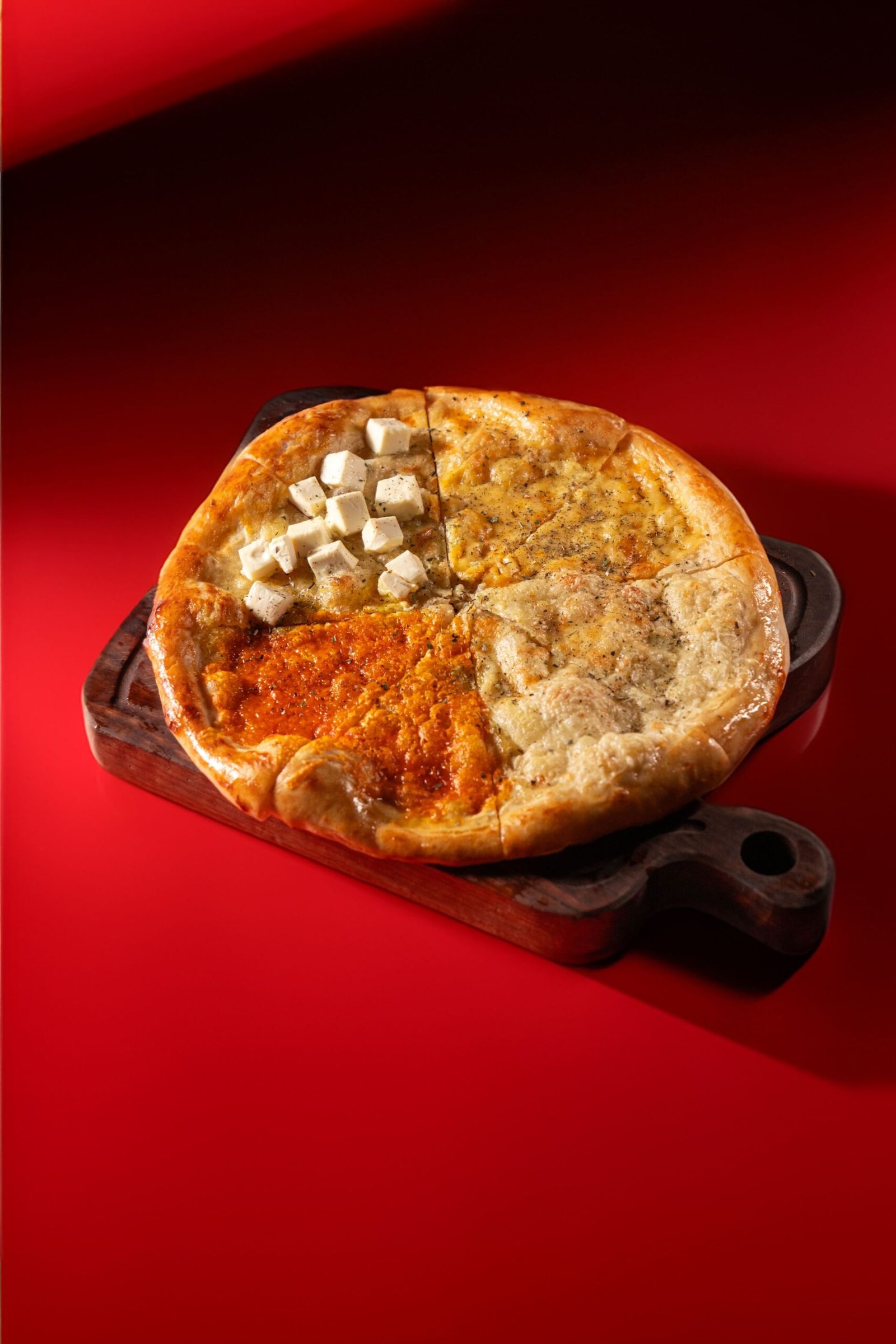
🍕 Key Takeaways
- The classic quartet: mozzarella (melt), fontina (creaminess), gorgonzola dolce (punch), Parmigiano-Reggiano (salty finish).
- Skip tomato sauce — a thin garlic olive-oil base lets the four cheeses shine without competition.
- Keep total cheese to 7–8 oz per 12-inch pizza; more cheese means grease pooling, not more flavor.
- Grate or shred cheeses yourself and bring them to room temperature for even, simultaneous melting.
- Bake at maximum heat (500–550°F / 260–290°C) on a preheated steel or stone for 6–9 minutes.
- Add delicate cheeses like fresh mozzarella or burrata after baking if you use them as swaps.
- Cool leftovers within 2 hours, refrigerate 3–4 days, and reheat in a skillet or hot oven for a re-crisped crust.
Why These Four Cheeses (And How They Work Together)
A great quattro formaggi is engineered like a good team: every cheese has a job, and no two do the same one. Understanding the roles lets you substitute intelligently instead of guessing — and it explains why random assortments of “whatever cheese is in the fridge” so often disappoint. Four cheeses chosen at random tend to overlap (three mild melting cheeses and nothing with character) or clash (two aggressive blues fighting for attention). The classic quartet below has survived for generations because each member earns its place, and the proportions — roughly half mild melt, a quarter creamy, an eighth punchy, and a hard-cheese finish — create a whole that tastes designed rather than accumulated.
Mozzarella — the melt. Low-moisture whole-milk mozzarella provides the stretchy, golden, Instagram-worthy melt that holds the whole pizza together. It is mild, which is exactly what you want from the largest-volume cheese: it carries the others without overwhelming them. Use it as roughly half the total cheese weight. If you are torn between fresh and aged, our fresh vs low-moisture mozzarella guide settles it — for this pizza, low-moisture wins on melt and moisture control.
Fontina — the creaminess. Italian fontina (not the Danish-style supermarket version, though it works in a pinch) melts into a silky, nutty, almost fondue-like layer. It bridges the mild mozzarella and the assertive blue, rounding the flavor and adding a luxurious mouthfeel. About a quarter of the total cheese.
Gorgonzola dolce — the punch. This is the personality of the pizza. Gorgonzola dolce (“sweet” gorgonzola) is creamy and mild as blue cheeses go, with a gentle funk rather than an aggressive bite — which is why it belongs here instead of a sharper blue. It melts into creamy pockets that punctuate the milder cheeses. Use it sparingly, about an eighth of the total; a little goes a long way, and you want intrigue, not a blue-cheese takeover.
Parmigiano-Reggiano — the finish. Hard, salty, crystalline, and deeply savory, Parmigiano does not really melt — it browns into crisp, umami-packed bits on top. Grated over everything just before baking, it seasons the whole pizza and adds the savory high notes that make the other three cheeses taste more like themselves.
The no-sauce decision is traditional and functional: tomato acidity would bulldoze the delicate interplay of the four cheeses. Instead, a whisper of garlic-infused olive oil on the bare dough gives the base flavor and helps the bottom of the cheese layer brown. If the white-pizza format appeals to you beyond this recipe, our white pizza with ricotta and garlic explores the sauceless style further.
Ingredients for Four Cheese Pizza
Makes two 12-inch pizzas. The dough is a standard same-day dough; for extra flavor under all that cheese, a cold-fermented dough is worth the planning.
For the dough (makes 2 balls, ~250g each)
- 500g bread flour (about 4 cups spooned and leveled)
- 325g lukewarm water (about 1⅓ cups)
- 10g fine sea salt (about 2 teaspoons)
- 7g instant dry yeast (one standard packet)
- 15g extra-virgin olive oil (about 1 tablespoon), plus more for the bowl
For the garlic oil base (enough for 2 pizzas)
- 3 tablespoons extra-virgin olive oil
- 2 cloves garlic, thinly sliced or grated
- ¼ teaspoon fine sea salt
- Pinch of black pepper
For the cheese blend (per 12-inch pizza)
- 3.5 oz (100g) low-moisture whole-milk mozzarella, shredded by hand
- 2 oz (55g) Italian fontina, shredded or thinly sliced
- 1 oz (30g) gorgonzola dolce, crumbled
- 0.75 oz (20g) Parmigiano-Reggiano, finely grated
- Total: about 7–8 oz (200–225g)
To finish
- Fresh thyme leaves or cracked black pepper (optional)
- Extra-virgin olive oil, for drizzling
- Optional: 1 tablespoon honey, for drizzling (a classic pairing with blue cheese)
A note on sourcing: real Italian fontina and Parmigiano-Reggiano are worth seeking out at a cheese counter or Italian grocer — the flavor difference over generic versions is significant, and cheese is the entire pizza here. True Parmigiano-Reggiano has the pin-dot markings and the name stamped on the rind; “parmesan” in a green can is a different product entirely and will not brown into those savory crisp bits. Gorgonzola dolce should be creamy and spreadable; if you can only find the firmer, sharper gorgonzola piccante, use slightly less. For a deeper education on cheese behavior in the oven, read our guide to the best cheese for pizza.
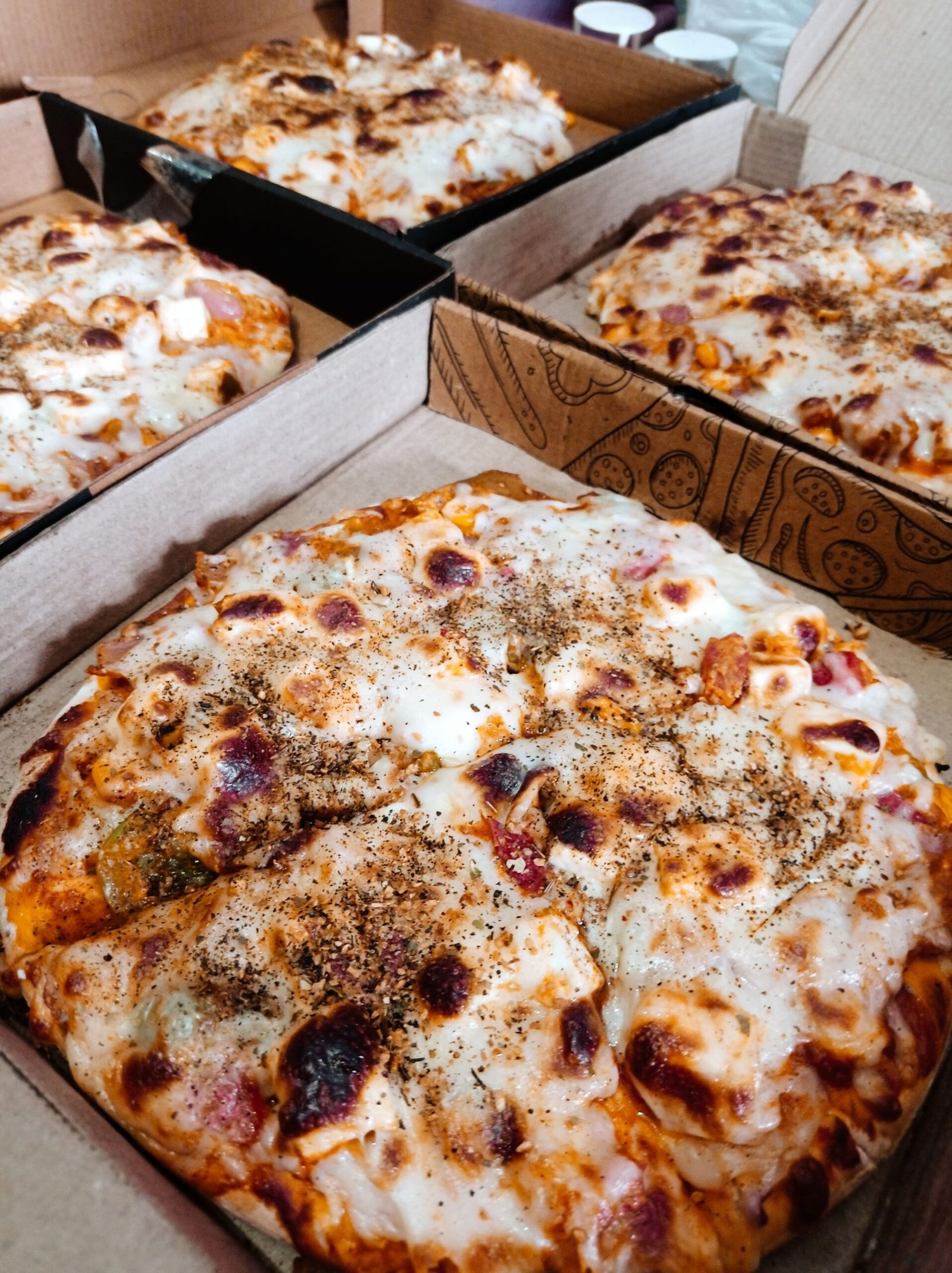
Step-by-Step Method
Step 1: Mix, knead, and ferment the dough
Whisk flour and yeast, add water and oil, mix to a shaggy mass, rest 15 minutes, add salt, and knead 8–10 minutes until smooth and elastic. Bulk ferment covered in an oiled bowl for 1.5–2 hours until doubled. Full details: how to make pizza dough.
Step 2: Infuse the garlic oil
Warm the olive oil in a small pan over low heat, add the garlic, and cook gently for 2–3 minutes until fragrant and just barely golden — not brown. Brown garlic turns bitter. Remove from heat, stir in the salt and pepper, and let cool. This can be done hours ahead; the flavor deepens as it sits.
Step 3: Ball the dough and prep the cheeses
Divide the risen dough into two ~250g balls, shape tight, and proof covered on a floured tray for 30–60 minutes. Meanwhile, shred the mozzarella and fontina, crumble the gorgonzola, and finely grate the Parmigiano. Bring all cheeses to room temperature for 20–30 minutes — cold cheese melts unevenly, with the outsides overcooking before the centers liquefy.
Step 4: Preheat the oven
Steel or stone on an upper-middle rack, oven at maximum (500–550°F / 260–290°C), preheated for a full hour. Cheese-heavy pizzas benefit enormously from stored heat: it sets the crust quickly so the cheese can melt without the base steaming. See the pizza oven temperature guide for targets.
Step 5: Stretch the base
Press and stretch a dough ball to 12 inches with a 1-inch rim, transfer to a lightly floured pizza peel, and shake to confirm it slides. Refresher: how to stretch pizza dough without tearing.
Step 6: Brush with garlic oil
Brush about 1½ tablespoons of the garlic oil over the stretched dough, edge to edge but leaving the rim bare, including a few of the soft garlic slivers. This thin layer is the entire “sauce” — it should glisten, not pool.
Step 7: Layer the cheeses
Scatter the mozzarella evenly first — it forms the melty foundation. Follow with the fontina, distributing it so every region gets some. Dot the gorgonzola crumbles around (not in one clump; you want blue-cheese encounters scattered across the pie, not a single funky zone). Finish with an even snowfall of grated Parmigiano-Reggiano. The layer should look generous but not mountainous; you should still glimpse dough between the cheese in spots.
Step 8: Bake 6–9 minutes
Launch onto the hot steel and bake until the crust is deep golden with charred spots and the cheese is fully melted with amber-brown patches — 6–9 minutes at max heat. The Parmigiano on top should be visibly browned and crisp in spots; that is flavor, not burning. Start checking at 5 minutes.
Step 9: Finish and rest
Slide onto a wire rack or board. Drizzle lightly with olive oil, add thyme leaves or cracked pepper if using, and — if you are feeling indulgent — a thin ribbon of honey, which is a classic and sublime pairing with the gorgonzola. Rest 1–2 minutes so the cheese sets enough to slice cleanly, then serve. Repeat with the second pizza.
Pro Tips for Perfectly Melty Quattro Formaggi
Weigh the cheese; don’t eyeball it. The 7–8 ounce total per 12-inch pizza is the line between luxurious and greasy. It is tempting to add “just a little more,” but excess cheese releases pools of fat that sit on the surface and make the pizza feel heavy. Trust the ratio — the flavor is concentrated enough that restraint reads as richness.
Room-temperature cheese melts evenly. Cold shredded cheese straight from the fridge melts from the outside in, so the top browns before the interior liquefies. Twenty to thirty minutes on the counter evens everything out. (Do not leave shredded cheese out for hours, though — the 2-hour rule applies to dairy just like everything else.)
Shred your own, always. Pre-shredded cheese is coated with cellulose or starch to prevent clumping, and that coating interferes with melting — exactly what you do not want when melt is the whole point of the pizza. A box grater takes two minutes and the difference is visible: hand-shredded cheese flows together into a unified layer while pre-shredded stays distinct and slightly grainy.
Distribute the blue, don’t dump it. Gorgonzola in one dense patch creates a single overwhelming bite and leaves the rest of the pizza plain. Crumbling it into small pieces and scattering them widely gives every slice one or two blue encounters — the ideal ratio of surprise to balance.
Watch the Parmigiano. Because it sits on top in fine gratings, Parmigiano browns faster than the melting cheeses below. If your oven runs hot on top, the cheese layer may need a foil tent for the last minute — or simply pull the pizza when the Parmigiano is amber-crisp rather than waiting for deeper color below.
A hotter, faster bake beats a longer, cooler one. Cheese pizzas baked too cool or too long separate: the fat renders out and pools while the proteins overcook into rubber. Maximum heat for 6–9 minutes melts everything simultaneously into a cohesive layer. If your cheese ever looks oily and broken, more heat and less time is usually the fix — along with less total cheese, per the first tip.
Grate the Parmigiano finely and distribute it last. Fine gratings melt-brown into lace-like crisp bits; coarse chunks stay distinct and can taste gritty against the flowing cheeses below. A microplane or the small holes of a box grater give the ideal texture, and scattering it last ensures it sits on top where it can brown rather than getting buried.
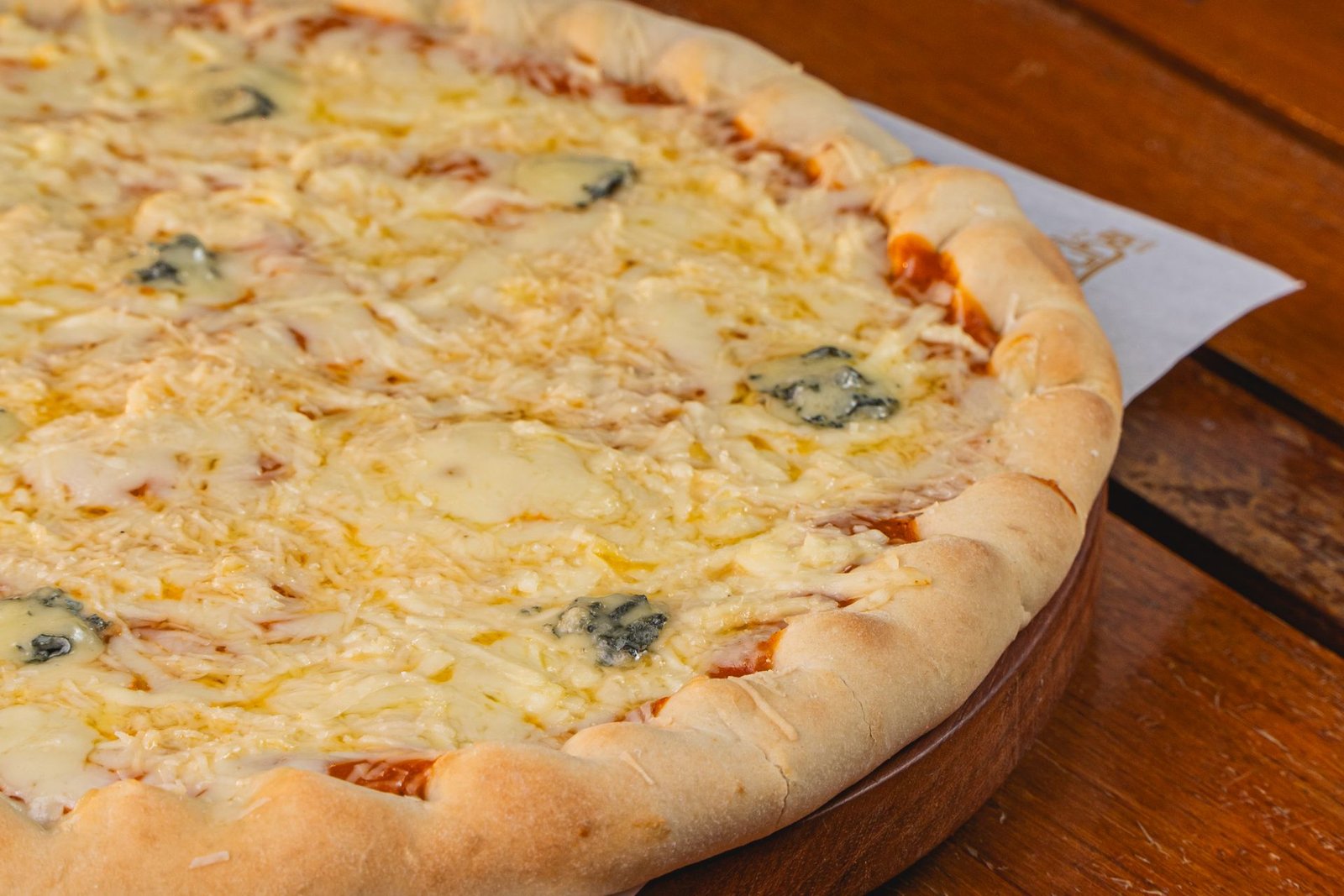
Variations Worth Trying
Quattro formaggi bianca with ricotta
Swap the fontina for dollops of whole-milk ricotta (about 3 oz per pizza, added in spoonfuls after the mozzarella). The ricotta stays in soft, creamy pockets rather than fully melting — a different, lovely texture. Our white pizza with ricotta and garlic is built on this idea.
Smoked four cheese
Replace the fontina with smoked mozzarella or smoked Gouda and the gorgonzola dolce with a milder blue. The smoke adds a campfire depth that makes the pizza taste almost meaty. A drizzle of hot honey on top is exceptional here.
Four cheese with prosciutto
Bake the classic pie, then drape 2–3 slices of prosciutto over the hot pizza right out of the oven. The residual heat warms the prosciutto without cooking it, and its saltiness amplifies every cheese. Add arugula for a prosciutto-e-rucola effect.
Spicy four cheese (diavola bianca)
Add thin slices of spicy soppressata or a pinch of crushed red pepper flakes under the cheese, and finish with hot honey. The heat cuts the richness the way acidity would — essential when there is no tomato sauce to do the job.
Budget four cheese
Mozzarella, Monterey Jack (in place of fontina), a small amount of Danish blue (in place of gorgonzola dolce — use less, it is stronger), and domestic Parmesan. It will not fool an Italian nonna, but it delivers 85% of the experience for half the price.
Storage, Reheating & Food Safety
Storing leftovers: Cool to room temperature within 2 hours, then refrigerate airtight for 3–4 days. Cheese pizza keeps well; the flavors even meld overnight. Details: how long leftover pizza lasts.
Reheating: The skillet method is ideal — medium heat, 2–3 minutes, lid on for the last minute — because it re-crisps the bottom while gently re-melting the cheese layer without separating it. A 375°F (190°C) oven for 8–10 minutes is the runner-up. Microwaving makes cheese rubbery and should be a last resort. Full ranking: how to reheat pizza.
Freezing: Cool completely, wrap slices individually, freeze up to 2 months. Reheat from frozen at 400°F (200°C) for 10–12 minutes. The cheese texture softens slightly but remains delicious.
Food safety notes: Shredded and crumbled cheeses are ready-to-eat foods — keep them refrigerated until use, do not leave them on the counter for extended prep sessions, and discard anything left at room temperature beyond 2 hours. Wash hands before handling the cheeses, and use clean utensils for each cheese to avoid cross-contamination. As with all pizzas, cool leftovers within 2 hours and refrigerate promptly; reheat until steaming hot throughout.
Frequently Asked Questions
What are the four cheeses in quattro formaggi?
The classic Italian combination is mozzarella, fontina, gorgonzola, and Parmigiano-Reggiano. There is no single legally defined recipe — pizzerias vary it — but this quartet balances melt, creaminess, punch, and salty finish better than any other combination we have tested.
Can I make four cheese pizza with tomato sauce?
You can, but it stops being quattro formaggi in spirit — the tomato’s acidity overwhelms the delicate cheese interplay, and you end up with something closer to a cheese pizza with extra cheese. If you want red sauce and multiple cheeses, that is delicious too; it is just a different pizza. Try the white base once before deciding.
Why is my four cheese pizza greasy?
Too much total cheese is the most common cause — stay at 7–8 oz per 12-inch pizza. Other causes: baking too cool for too long (fat renders out instead of emulsifying into the melt), or using very high-fat cheeses in large proportions. Maximum heat, short bake, measured cheese.
Can I use pre-shredded cheese?
It will work, but the melt will be visibly inferior — anti-caking starch keeps the shreds distinct instead of flowing together. For a pizza where cheese is everything, two minutes with a box grater is the highest-return effort in the recipe.
What’s a good substitute for fontina?
Gruyère is the closest in melt and nuttiness — many pizzaiolos use the two interchangeably. Taleggio is richer and funkier (use slightly less, and expect a more assertive pizza). In a pinch, Monterey Jack melts beautifully though it is milder and less interesting. Avoid cheeses that do not melt well — aged cheddars can turn grainy and oily, fresh cheeses like feta will not flow at all, and processed cheese brings a plasticky texture that cheapens the whole pie.
Can I add toppings to a four cheese pizza?
Yes, but choose things that complement rather than compete: prosciutto, mushrooms, caramelized onions, or figs all work beautifully — figs with gorgonzola is a restaurant classic for a reason. Add them sparingly, since the cheese is the star and heavy toppings upset both the moisture balance and the flavor architecture. Keep total additions to a light scattering. Our topping combinations guide has more pairing ideas if you want to experiment beyond the classics.
The Bottom Line
A great four cheese pizza recipe is a study in balance: four cheeses with four distinct jobs, measured rather than piled, melted fast and hot on a garlic-kissed white base. It is proof that restraint with luxury ingredients produces more luxury, not less — and that a pizza with no toppings at all can still be the most interesting thing on the table. Once you have tasted a proper quattro formaggi — stretchy, nutty, funky, salty, all at once — the one-note cheese pizzas of the world will never quite satisfy again. Keep exploring our pizza recipes for more ways to put your cheese knowledge to work, from white pies to bold specialty builds.
[…] the white-pizza architecture into our four cheese pizza: keep the garlic oil base, use mozzarella + fontina as the melt, add the seasoned ricotta dollops, […]