

Ask what the best cheese for pizza is and most people say “mozzarella” without thinking twice. They’re not wrong — mozzarella earned its throne. But it’s only the very beginning. The difference between a good homemade pizza and a great one often comes down to cheese choices: which variety, what blend, how it’s shredded, and how much moisture it brings to the bake. Provolone adds sharpness and savory depth. Fontina adds silk. A shower of Parmigiano-Reggiano adds the salty punch that makes everything else taste more like itself.
Cheese is the ingredient most home pizza makers underthink. They grab a bag of pre-shredded low-moisture mozzarella and stop there — and then wonder why their pizza doesn’t taste like the pizzeria’s, with its golden leopard-spotted melt and savory depth. The answer is usually in the cheese case, not the oven. This guide covers what makes a cheese work on pizza (melt, stretch, browning, moisture), the mozzarella family in detail, ten cheeses beyond mozzarella worth trying, why pizzerias blend, and the practical stuff: how to buy, shred, and store cheese for pizza night.

🍕 Key Takeaways
- The best cheese for pizza balances meltability, moisture, fat content, and browning — no single cheese is perfect for every style.
- Low-moisture whole-milk mozzarella is the all-around champion: great melt, good browning, and enough structure for most styles.
- Buy cheese in blocks and shred it yourself — pre-shredded cheese is coated in anti-caking starch that ruins smooth melting.
- Beyond mozzarella, try provolone, fontina, smoked gouda, and aged cheeses like Parmigiano-Reggiano for depth and character.
- Pizzerias almost always blend: a typical house blend is 70% low-moisture mozzarella with provolone, fontina, or cheddar for flavor.
- Match cheese to bake time — fresh mozzarella suits 90-second Neapolitan bakes; long-baked styles need low-moisture cheese.
- Fresh, wet cheeses (ricotta, burrata, fresh mozzarella) go on after baking or in dollops to avoid soggy pizza.
What Makes a Cheese Great for Pizza?
Not every cheese belongs on a pizza, and the reasons are chemistry. Four properties decide whether a cheese will shine or fail in a hot oven.
Meltability. The best pizza cheeses flow smoothly into a cohesive layer rather than separating into grease and rubber. This is governed by the cheese’s protein structure and acidity — cheeses in the right pH range (roughly 5.2–5.4, where mozzarella sits) melt evenly. Very aged cheeses (like a 24-month Parmigiano) barely melt at all, which is why they’re used as finishing accents, not foundations.
Moisture content. Water is the enemy of crisp crust. Fresh mozzarella can be 60% water; low-moisture mozzarella is around 45–50%. That 10–15 point gap is the difference between a soupy center and a clean slice. Long, hot bakes drive off moisture, so a 90-second Neapolitan bake can handle fresh mozzarella while a 40-minute deep dish cannot. Our fresh vs low-moisture mozzarella guide goes deep on this exact tradeoff.
Fat content. Fat carries flavor and promotes browning. Whole-milk mozzarella (about 45% fat in dry matter) melts creamier and browns better than part-skim, which can turn rubbery and pale. This is why serious pizza makers specify whole-milk — the difference is immediately visible in the bake.
Browning behavior. Those golden-brown spots (leoparding on the cheese) come from the Maillard reaction between proteins and sugars, accelerated by fat. Cheeses with moderate moisture and good fat brown beautifully; very wet cheeses steam instead of browning, and very dry aged cheeses burn before they melt.
The practical takeaway: for most home pizzas, you want a cheese that’s engineered for heat — moderate moisture, good fat, smooth melt. Everything else is about flavor layering on top of that foundation, which is where the real fun begins.
The Mozzarella Family: Know Your Options
Mozzarella isn’t one cheese — it’s a family, and choosing the right member matters enormously.
Low-moisture whole-milk mozzarella is the workhorse and the default right answer. Firm, shreddable, with a clean milky flavor and excellent melt, it suits everything from New York style to deep dish to Detroit. Buy it as a block or log, never pre-shredded. Good widely-available options include whole-milk blocks from Galbani, Grande (the pizzeria gold standard, available at some restaurant suppliers), and store-brand whole-milk blocks.
Fresh mozzarella (the soft white balls in water or whey) is a different ingredient entirely: delicate, milky, creamy, with very high water content. It’s the correct choice for Neapolitan pizza and classic Margherita, where the 90-second bake evaporates the moisture before it can sog the crust. For longer bakes, it must be drained, torn, and patted dry — or it goes on after baking. Never use it straight from the tub on a 7-minute home-oven pizza unless you enjoy soup.
Fior di latte vs buffalo mozzarella. Fior di latte is fresh mozzarella made from cow’s milk; mozzarella di bufala is made from water buffalo milk and is richer, tangier, and more expensive. On a true Neapolitan pizza, bufala is traditional — but its extra moisture and cost make fior di latte the smarter everyday choice. Save the bufala for special occasions and add it after baking.
Smoked mozzarella (scamorza) is mozzarella’s firmer, smokier cousin. It melts beautifully, brings a campfire depth that transforms simple pizzas, and has lower moisture than fresh mozzarella, so it’s more forgiving in home ovens and less likely to water out. Try it on a mushroom pizza — the smoke and earthiness are a perfect match.
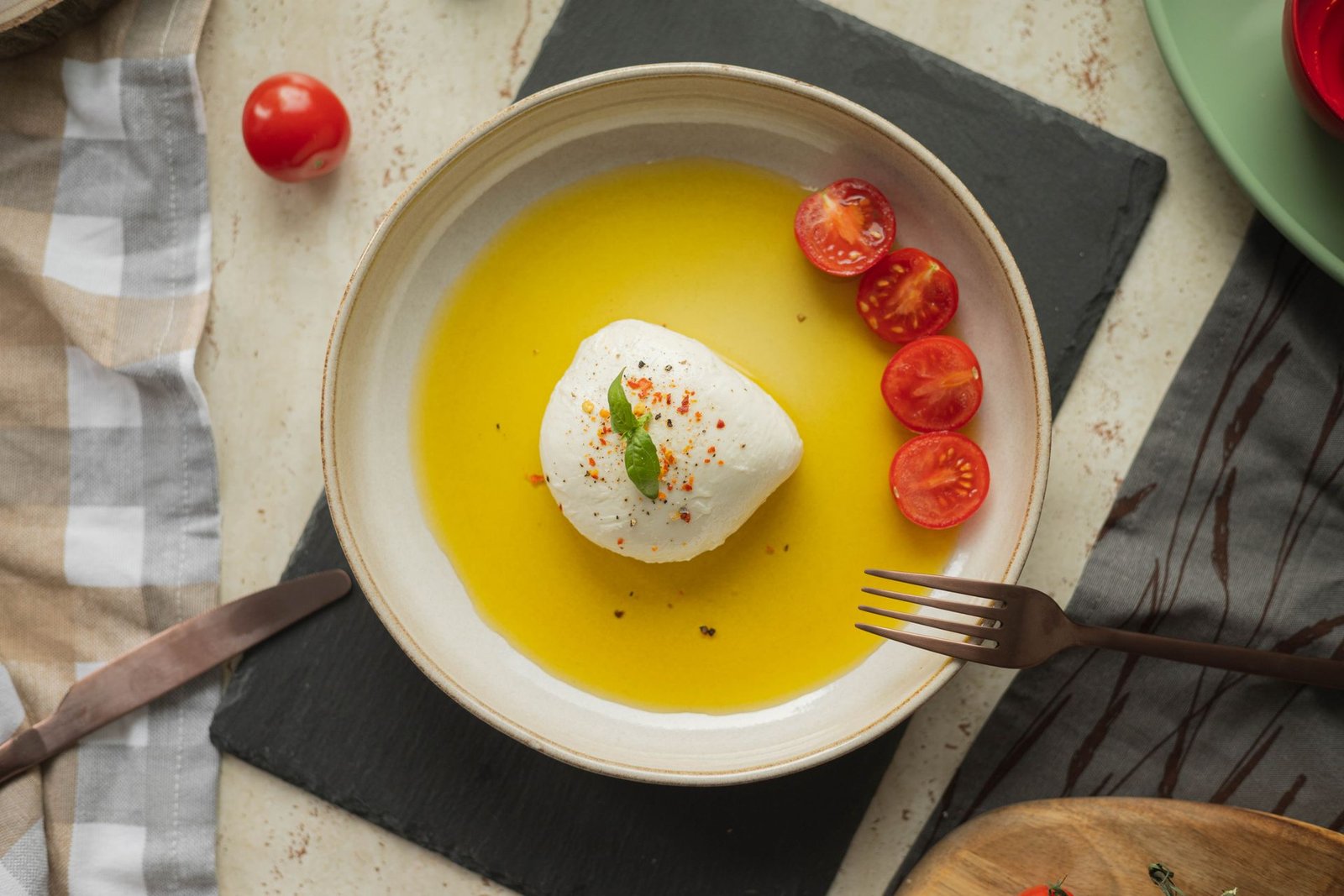
Burrata — fresh mozzarella wrapped around a creamy stracciatella center — is a finishing cheese, never a baking cheese. Add it in torn pieces after the pizza comes out of the oven, letting the residual heat warm it into molten pockets. On a simple Margherita or a white pizza with ricotta and garlic, warm burrata melting over the hot slice is pure luxury.
Beyond Mozzarella: 10 Cheeses Worth Trying
This is where pizza gets interesting. Each of these earns its place for a specific reason.
1. Provolone. Mozzarella’s sharper sibling — also a stretched-curd cheese, but aged longer for a tangier, more assertive flavor. It melts nearly as well as mozzarella and adds a savory depth that plain mozzarella lacks. Many pizzerias blend provolone into their house mozzarella for exactly this reason. Try a 50/50 provolone-mozzarella blend on your next pepperoni pizza.
2. Fontina. The silk cheese. Fontina (especially Italian Fontina Val d’Aosta) melts into the creamiest, most luxurious layer of any pizza cheese, with a nutty, earthy flavor. It’s the secret weapon for four-cheese pizzas and white pizzas. It can be pricey, so use it as a blend component (25–30%) rather than the base.
3. Smoked gouda. Brings a deep, bacony smokiness that transforms BBQ chicken pizza, mushroom pizza, or anything with caramelized onions. Use it as an accent (20–30% of the blend) — a full smoked-gouda pizza can overwhelm.
4. White cheddar. Sharp, tangy, and excellent at browning. A favorite in Detroit-style blends and a great partner for apple-and-pork or BBQ-topped pizzas. Use a younger, creamier cheddar rather than an aged, crumbly one — aged cheddar separates into grease under heat.
5. Parmigiano-Reggiano. Not a melting cheese — a finishing cheese. Grated over the hot pizza right out of the oven, real Parmigiano adds crystalline crunch, deep umami, and salty punch. It’s the difference between flat and vivid. Buy the real DOP Parmigiano-Reggiano, not the green can; grate it fresh.
6. Pecorino Romano. Saltier, sharper, and more pungent than Parmigiano — the Roman choice. A light grating over a simple tomato-mozzarella pizza adds a peppery bite. A little goes a long way.
7. Ricotta. The creamy dollop cheese. Spoonfuls of whole-milk ricotta added before baking (on white pizzas) or after (on tomato pizzas) create pockets of cool creaminess against the hot, crisp crust. Drain it first if it’s watery, and season it with salt, pepper, and lemon zest for the best flavor. Our white pizza recipe is built around it.
8. Gorgonzola / blue cheese. The bold move. Crumbled over the pizza in the last minutes of baking (or after), blue cheese brings a funky, salty intensity that pairs brilliantly with pears, walnuts, caramelized onions, or buffalo chicken. Use sparingly — it’s a seasoning, not a base.
9. Asiago. Nutty and sharp, with good melting when young (pressato) and excellent grating character when aged. A nice middle ground between mozzarella’s mildness and Parmigiano’s intensity — try it in blends or as a finishing grate.
10. Oaxaca / quesadilla cheese. The sleeper pick. These Mexican stretched-curd cheeses melt like mozzarella with a mild, buttery flavor, and they’re often cheaper. If your store’s mozzarella selection is sad, check the Mexican cheese section — Oaxaca is a legitimate pizza cheese.
Why Pizzerias Blend (And Blends to Try)
Walk into a serious pizzeria and ask what’s in the cheese blend, and you’ll rarely hear “just mozzarella.” Blending is how pizzerias get melt, flavor, browning, and cost all working together. Mozzarella provides the melt and stretch; the blend partners provide flavor, color, and character.
The logic is simple: no single cheese does everything. Mozzarella melts perfectly but tastes mild. Provolone tastes great but can be rubbery alone. Cheddar browns beautifully but can grease out. Parmigiano adds umami but doesn’t melt. Blend them, and each covers the others’ weaknesses.
Here are house-style blends to try, all by weight:
- The classic pizzeria blend: 70% low-moisture whole-milk mozzarella, 20% provolone, 10% Parmigiano-Reggiano (grated fine and mixed in). The all-purpose upgrade over plain mozzarella.
- The rich white-pizza blend: 50% mozzarella, 30% fontina, 20% ricotta dolloped on top after shredding the base. Silky, luxurious, perfect for white pizza.
- The Detroit-style blend: 50% low-moisture mozzarella, 50% Monterey Jack (the standard brick-cheese substitute). Maximum melt, aggressive browning, caramelized edges. Full details in our Detroit style guide.
- The smoky BBQ blend: 60% mozzarella, 25% smoked gouda, 15% white cheddar. Built for BBQ chicken pizza.
- The four-cheese blend: equal parts mozzarella, fontina, gorgonzola, and Parmigiano — the classic quattro formaggi, with each cheese doing a distinct job.
Blend and shred the melting cheeses together so they distribute evenly across the pizza; add aged grating cheeses and fresh dolloping cheeses separately at their own stage.
Best Cheese for Pizza by Style: A Quick Pairing Guide
Different styles stress cheese differently. Here’s the short version:
- Neapolitan / Margherita: Fresh fior di latte or bufala, torn and drained — the 90-second bake handles the moisture. See our Neapolitan pizza guide.
- New York style: Low-moisture whole-milk mozzarella, shredded — the 6–8 minute hot bake needs controlled moisture and good browning. Our New York style guide has the full method.
- Chicago deep dish: Sliced low-moisture mozzarella as the foundation layer (up to a pound), with Parmigiano over the sauce. Details in our deep dish guide.
- Detroit style: Brick cheese or a mozzarella–Monterey Jack blend, pushed edge to edge for frico. Covered in our Detroit style guide.
- St. Louis style: Provel or the provolone–cheddar–Swiss substitute. See our St. Louis style guide.
- White / ricotta pizzas: Mozzarella base with whole-milk ricotta dollops and fontina for silk. Our white pizza recipe is the template.
- BBQ / smoky pizzas: Mozzarella plus smoked gouda and white cheddar. Try it on BBQ chicken pizza.
The pattern: match moisture to bake time, fat to flavor goals, and always build on a mozzarella foundation unless the style specifically demands otherwise.
How to Buy, Shred, and Store the Best Cheese for Pizza
This is the practical section that will improve your pizza more than any recipe tweak.
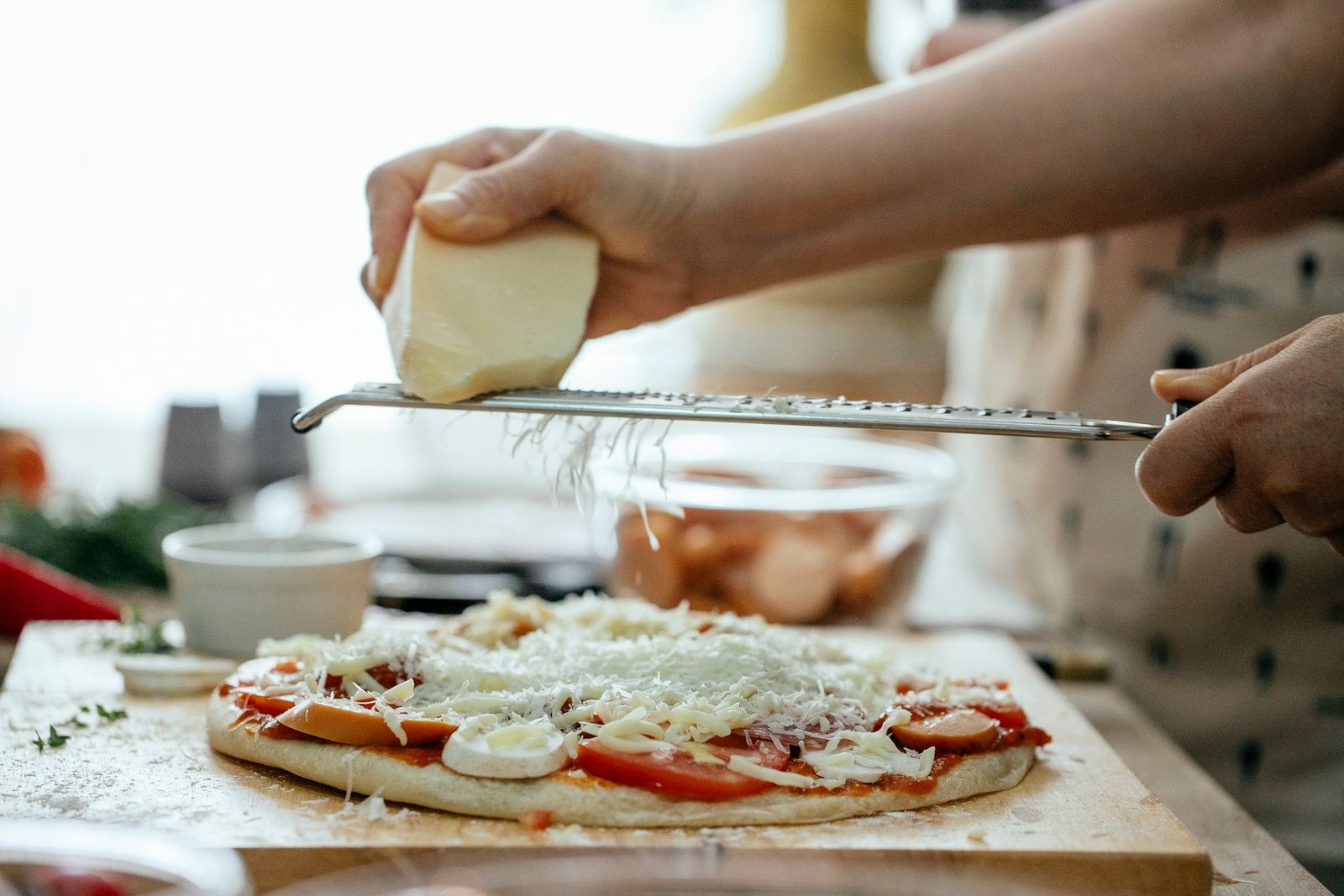
Buy blocks, not bags. Pre-shredded cheese is coated with cellulose or potato starch to prevent clumping, and that coating interferes with melting — it creates a grainy, separated melt instead of a smooth flow. A block of whole-milk low-moisture mozzarella and a box grater take two minutes and produce dramatically better results. This is the single highest-impact cheese upgrade available to home pizza makers.
Shred cold, on the large holes. Cold cheese shreds cleanly; room-temperature cheese gums up the grater. Use the large holes of a box grater for the classic pizzeria shred — it melts more evenly than fine shreds and doesn’t disappear into the sauce. For very soft cheeses, 15 minutes in the freezer firms them up enough to grate.
How much cheese per pizza? Less than you think. A 12-inch pizza needs 6–8 oz (170–225g) of shredded cheese — about 1 1/2 to 2 cups. Over-cheesing is the most common home mistake: too much cheese insulates the crust, releases excess moisture and grease, and turns the center soupy. Deep-dish and Detroit styles are the exceptions, where a full pound is structural.
To slice or shred? For styles where cheese is the foundation layer — Chicago deep dish, for instance — sliced mozzarella laid edge to edge gives the most even coverage and the cleanest structural layer. For everything else, shredded melts faster and more uniformly, weaving through toppings rather than sitting on top of them.
Storage. Unopened blocks keep for weeks refrigerated. Once opened, wrap tightly in plastic or beeswax wrap — air exposure dries out cut surfaces and encourages mold. Shredded-at-home cheese keeps 3–4 days refrigerated; freeze extra in portioned bags for up to 2 months (thaw in the fridge; the texture is fine for melting). Fresh mozzarella in water keeps about a week in its liquid; change the liquid if it gets cloudy.
Bring to room temperature before baking? For shredded low-moisture cheese, 15–20 minutes on the counter takes the chill off and promotes even melting. For fresh mozzarella, keep it cold until the last moment — warm fresh mozzarella weeps.
Cheese Mistakes to Avoid
- Using pre-shredded bagged cheese. The anti-caking starch ruins the melt. Shred your own — always.
- Choosing part-skim to “be healthy.” Part-skim mozzarella turns rubbery and pale in the oven. If you want less cheese, use less cheese — don’t use worse cheese. (For an honest discussion of pizza’s place in a balanced diet, see is pizza healthy.)
- Putting fresh mozzarella on a long-baked pizza without draining. The water has to go somewhere, and that somewhere is your crust. Drain, tear, pat dry, or add after baking.
- Over-cheesing. More cheese ≠ better pizza. Excess cheese makes the center soggy and greasy and buries every other flavor.
- Adding delicate cheeses too early. Burrata, fresh ricotta dollops, and blue cheese crumbles go on after baking or in the final minutes — the full bake destroys their texture.
- Using aged grating cheese as a base. Parmigiano won’t melt into a layer; it burns. It’s a finisher, not a foundation.
- Forgetting to season the cheese layer. A pinch of salt, dried oregano, or red pepper flakes over the cheese before baking wakes everything up — pizzerias do this reflexively.
Frequently Asked Questions
What is the best cheese for pizza?
Low-moisture whole-milk mozzarella is the best all-around choice for most pizza styles — excellent melt, good browning, moderate moisture. For deeper flavor, blend it with provolone, fontina, or Parmigiano-Reggiano. Match the cheese to the style: fresh mozzarella for quick Neapolitan bakes, low-moisture for longer home-oven bakes.
Can I use cheddar cheese on pizza?
Yes — young white cheddar melts well and browns beautifully, especially in blends (try it in Detroit-style or BBQ pizzas). Avoid aged, crumbly cheddars, which separate into grease under heat. Cheddar works best as 20–30% of a mozzarella-based blend rather than the sole cheese.
Why doesn’t my cheese melt like a pizzeria’s?
The most common cause is pre-shredded bagged cheese — the anti-caking coating prevents smooth melting. Switch to block cheese shredded fresh. Other causes: part-skim cheese (melts poorly), an underheated oven, or cheese added to a cold pizza going into the oven.
How much cheese should I put on a pizza?
About 6–8 oz (170–225g) for a 12-inch pizza — roughly 1 1/2 to 2 cups shredded. Thick pan styles (deep dish, Detroit) use more, up to a pound, as a structural layer. When in doubt, use less; you can always add a finishing grate of Parmigiano after baking.
Can I freeze pizza cheese?
Yes. Shredded low-moisture mozzarella freezes well for up to 2 months in airtight portions; thaw in the fridge before using. The texture is slightly less firm after thawing but melts perfectly. Don’t freeze fresh mozzarella — its delicate texture doesn’t survive.
What’s the difference between pizza cheese and mozzarella?
“Pizza cheese” is usually a trade term for low-moisture mozzarella (sometimes blended) formulated for foodservice — consistent melt, good browning, longer shelf life. At retail, a block labeled “low-moisture whole-milk mozzarella” is the same thing. There’s no secret ingredient; it’s just mozzarella selected for pizza performance.
Is fresh mozzarella or low-moisture better for pizza?
It depends on the bake. Fresh mozzarella is better for very hot, very fast bakes (90-second Neapolitan), where its moisture flashes off and its delicate flavor shines. Low-moisture is better for everything else — home ovens, longer bakes, and loaded pizzas. Our fresh vs low-moisture mozzarella guide compares them side by side with a full breakdown.
Conclusion
The best cheese for pizza isn’t a single answer — it’s a system. Start with the foundation: low-moisture whole-milk mozzarella, bought in a block and shredded fresh, because nothing else melts as reliably across styles. Then layer flavor the way pizzerias do: provolone for sharpness, fontina for silk, smoked gouda for depth, Parmigiano-Reggiano grated over the hot pie for the salty finish that makes everything pop. Keep a couple of blend components on hand — a wedge of Parmigiano and a block of provolone alongside your mozzarella cover 90% of pizza nights. Match the cheese to the bake — fresh mozzarella for 90-second Neapolitans, low-moisture for everything longer — and remember that less cheese, well chosen, beats more cheese every time. Upgrade the cheese and shred it yourself, and your homemade pizza takes the single biggest step toward true pizzeria quality.
[…] everywhere, keeps for weeks refrigerated, and costs a fraction of good fresh mozzarella. Our best cheese for pizza guide covers the full landscape beyond these two, including blends and […]
[…] low-moisture mozzarella melts cleaner than fresh in this fast, hot environment, as explained in our best cheese for pizza […]